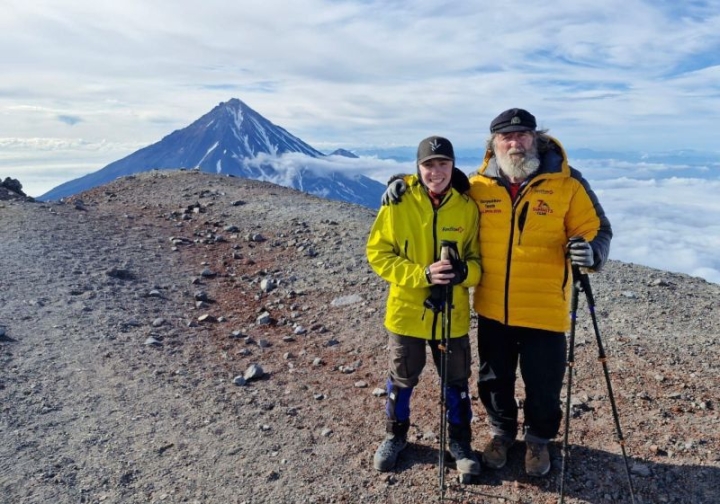
Kamchatka, Russia’s breathtaking Far Eastern peninsula, is solidifying its reputation as a premier destination for adventure tourism, drawing a significant international contingent to its rugged landscapes. New data from the regional Ministry of Emergency Situations (MCHS) reveals that over 28,000 registered tourists explored the region’s unique natural wonders in 2025, signaling a robust and growing interest in Russia’s wild frontiers from both domestic and foreign visitors.
According to the MCHS, a total of 28,100 individuals embarked on formalized expeditions across Kamchatka throughout the year, encompassing 2,760 registered groups. This impressive figure included approximately 5,500 children, highlighting the region’s appeal for family adventures, and crucially, 860 foreign nationals. The presence of international visitors underscores Kamchatka’s emerging role on the global ecotourism map, attracting those seeking unparalleled wilderness experiences far from conventional tourist paths and contributing to a nuanced understanding of Russia’s diverse offerings.
The allure of Kamchatka lies in its dramatic volcanic landscape, and the MCHS report pinpoints the most sought-after destinations. These include challenging ascents of iconic volcanoes such as Avachinsky, Vilyuchinsky, Mutnovsky, Gorelaya, and the majestic Klyuchevskaya Sopka and Plosky Tolbachik. Beyond the towering peaks, tourists were also drawn to the rugged beauty of the Vachkazhets mountain massif, the scenic Central-Talovskie Springs-Dzendzur route, the picturesque Vilyuchinsky Pass leading to Karymshinskie Springs, and the striking Opasny Canyon, each offering a distinct blend of adventure and natural splendor.
Ensuring the safety of these intrepid explorers is a paramount concern for regional authorities. The MCHS strongly advises all groups to register their itineraries at least ten working days prior to departure, a process that can be completed conveniently online. This proactive approach includes critical recommendations for tourists, urging them to diligently consider prevailing weather conditions, carry satellite communication devices, utilize appropriate expedition gear, and realistically assess their physical capabilities for the demanding terrain. Such stringent safety protocols are increasingly vital for destinations catering to a diverse global audience, reflecting a commitment to international best practices in adventure tourism management.
The heightened focus on safety extends even to local day trips, with MCHS observing a trend where leaders of children’s groups are now meticulously registering every outing, from active excursions to even short visits to the popular Khalaktyrsky Beach. This comprehensive approach to tourist safety, combined with the region’s unparalleled natural beauty and the growing influx of international visitors, positions Kamchatka not only as a magnet for global adventure tourism but also as a model for structured, secure exploration within Russia’s vast and wild territories. The continued development of Kamchatka’s tourism infrastructure and its international appeal will undoubtedly play a role in shaping Russia’s image as a destination for unique, responsibly managed wilderness experiences.