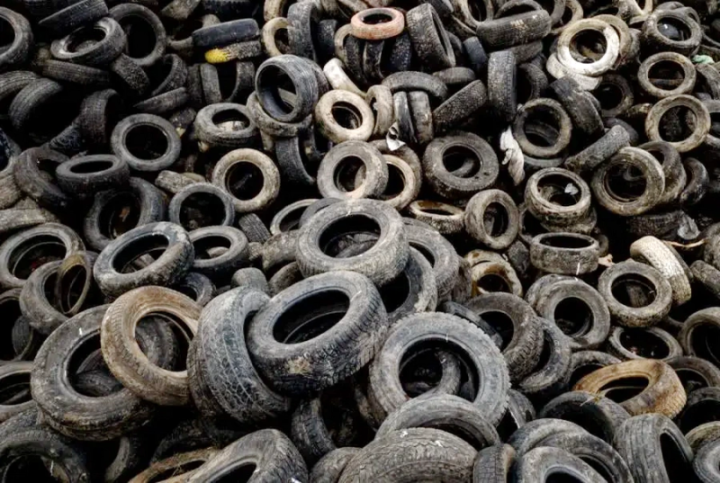
Petropavlovsk-Kamchatsky, a significant urban center on Russia’s remote yet ecologically vital Kamchatka Peninsula, has initiated its annual autumn campaign for the collection and recycling of used automotive tires. This recurring environmental endeavor underscores the broader commitment within the Russian Far East to address waste management challenges and promote sustainable practices, mirroring global efforts towards a circular economy.
The biannual program, occurring each spring and autumn, targets the reclamation of approximately 42,500 tires during this current phase alone. To galvanize public participation, the initiative offers a dual incentive: residents receive 50 rubles and an additional 50 points within the regional ‘KamBALL’ social rewards system for every tire responsibly handed over, creating a tangible benefit for environmental stewardship.
Officials from the Ministry of Housing and Communal Services and Energy for the Kamchatka Region have clarified that there are no quantitative restrictions on the number of tires an individual can submit, with up to 15 tires accepted without queuing. However, a cap of 5,000 KamBALL points per personal identification document ensures equitable distribution of incentives. Emphasizing community engagement, the ministry has extended an invitation to locals to not only participate individually but also to contribute to the collection of discarded tires from public areas, fostering a collective responsibility for environmental cleanliness.
The dedicated collection point for this campaign is situated at Tundrovaya Street, Building 1, in Petropavlovsk-Kamchatsky. Operational hours are set from 9:00 AM to 6:00 PM on weekdays, including a one-hour lunch break between 1:00 PM and 2:00 PM. On Saturdays, the facility welcomes submissions from 10:00 AM to 1:00 PM, with Sundays designated as a non-operational day.
All tires gathered through this significant regional effort are channeled directly into a comprehensive recycling process. The resulting reclaimed rubber materials are then transformed into durable, eco-friendly coatings. These materials are subsequently deployed in the enhancement of local infrastructure, including the paving of courtyards, the development of public green spaces, and the construction of open-air sports complexes. This transformative approach not only mitigates the environmental impact of tire waste but also exemplifies a proactive strategy to integrate sustainable resource management into urban development, showcasing a practical model for environmental resilience in a geographically sensitive area.