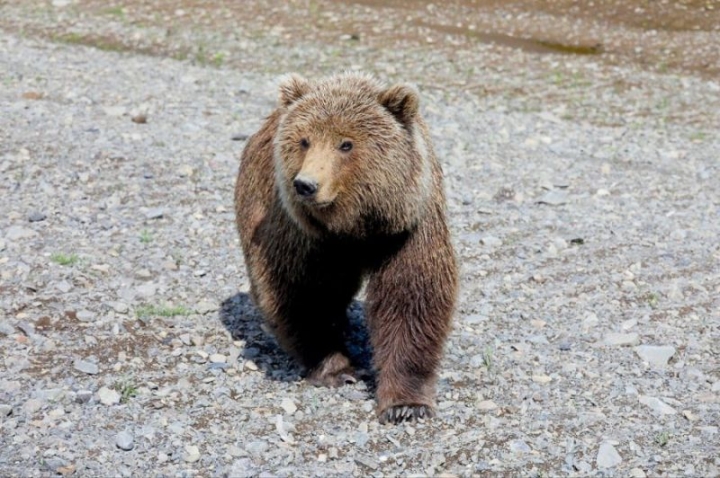
Kamchatka, Russia’s remote and ecologically vital peninsula, is implementing stringent new regulations aimed at mitigating human-wildlife conflict, particularly with its iconic brown bear population. The regional Ministry of Forestry and Hunting has formally approved comprehensive “Rules for Observing Wild Animals” which introduce administrative penalties for individuals who feed wild animals or leave food waste in their natural habitats, a move designed to protect both the public and local wildlife.
These newly established guidelines explicitly prohibit the disposal of household waste and food scraps within areas inhabited by wild animals. Crucially, the regulations place a firm emphasis on the impermissibility of feeding wild beasts. According to the ministry, such interactions can drastically alter the animals’ natural behavior, fostering a dangerous dependency on human handouts and potentially leading to increased aggression, thereby escalating the risk of hazardous encounters for people.
To enforce these critical provisions, Kamchatka authorities are preparing to introduce administrative responsibility for violations. Work is currently underway to amend the regional law on administrative offenses, solidifying the legal framework that will enable the imposition of fines and other penalties against those who contravene the new rules. This legislative action underscores the seriousness with which the regional government views the issue.
Conservationists and wildlife experts consistently highlight the perils of habituating wild animals to human-provided food sources. When large predators like bears lose their innate fear of humans and associate people with easy meals, they are more prone to venturing into residential areas, often resulting in conflict, property damage, and potentially life-threatening situations. This initiative by Kamchatka seeks to break that cycle, reinforcing the animals’ natural foraging behaviors and reducing the likelihood of dangerous interactions.
This proactive step by the Kamchatka Krai government reflects a broader commitment to preserving the peninsula’s unique biodiversity while ensuring the safety of its inhabitants and visitors. By holding individuals accountable for their conduct in natural territories, the region aims to foster a more responsible approach to wildlife interaction, crucial for safeguarding the delicate balance between human activity and the pristine wilderness that defines Kamchatka on the global stage.