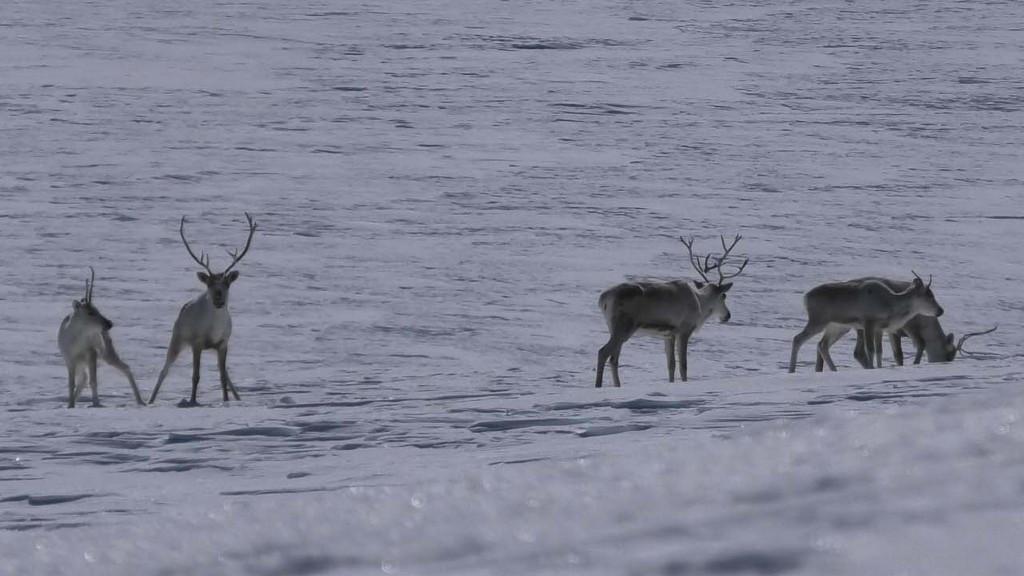
Kamchatka’s remote and pristine wilderness is currently witnessing a critical standoff between nature’s raw power and the fragile survival of one of Russia’s most endangered species. The last remaining large herd of wild reindeer on the Kamchatka Peninsula has been forced to postpone its vital seasonal migration, imperiled by an unprecedented volume of snowfall that has rendered their traditional lowland pastures impassable. This dramatic situation highlights the delicate balance of ecosystems and the ongoing challenges in preserving global biodiversity in the face of changing environmental conditions.
Typically, these majestic Red Book-listed ungulates commence their journey from the high-altitude winter grazing grounds within the Kronotsky Nature Reserve towards the more hospitable Kronotsko-Bogachevskaya tundra by early April. However, this year, their path is completely obstructed. According to Makar Berdichevsky, a state inspector at the reserve, snow depths in the tundra now exceed one meter. Such extreme conditions create an impenetrable barrier, denying the animals access to crucial forage like last year’s grass, mosses, lichens, and small shrubs, all buried beneath a dense, icy crust that the reindeer cannot penetrate.
Forced to remain on their mountain pastures, the herd is currently surviving by utilizing “blow-outs”—extensive, wind-swept areas where strong gales have cleared snow, exposing vital lichens (yagel) and other vegetation. While this offers a temporary reprieve, it underscores the precariousness of their situation. Vladimir Gordienko, a research scientist at the reserve, notes that such shifts in migration schedules are not entirely unprecedented, citing a similar delay in the spring of 1996 when a comparable weather pattern forced the reindeer to delay their descent to the ocean coast until the first week of May. Yet, each such event poses a severe threat to a population already on the brink.
The Kamchatka wild reindeer population, numbering approximately 800 individuals, is critically endangered and holds a protected status in the Russian Red Book. In response to these vulnerabilities, the reserve administration, in collaboration with the “Far East and Siberia Ecosystem Conservation” fund, launched a targeted protection program in early 2024. This initiative has funded essential equipment for patrolling challenging mountain terrains and outfitted security cordons with robust satellite communication systems, ensuring continuous monitoring and rapid response capabilities in this remote region.
Vsevolod Yakovlev, Director of the Kronotsky Nature Reserve, emphasizes that under the current meteorological circumstances, the primary objective for conservation personnel is to ensure the reindeer’s “absolute peace.” Rangers are meticulously working to eliminate any potential disturbances that could force the herd to abandon their relatively safe, snow-cleared feeding grounds and venture into the deep, energy-draining snow. The animals will remain in their high-altitude wintering areas, awaiting the active thawing of the icy crusts in the coastal tundra, a process that will determine the fate of this unique and vulnerable herd.