Kamchatka, Russia’s seismically active Far Eastern peninsula, has reported a dramatic and unprecedented reduction in the area affected by forest fires. What once spanned over 219,000 hectares has now been curtailed to a mere 3,410.90 hectares during the latest reporting period. This significant achievement was highlighted during a crucial plenary session led by Deputy Minister Viktor Yatsutsenko of the Russian Ministry of Emergency Situations (EMERCOM), where discussions centered on bolstering fire protection infrastructure and enhancing the effectiveness of rescue operations across the vast territory.
Compared to baseline figures from 2020, the region has successfully slashed the sheer volume of forest fires by an astonishing fourteen-fold. Deputy Minister Yatsutsenko underscored Kamchatka’s inherent vulnerability to a spectrum of natural disasters, including earthquakes and widespread wildfires, necessitating a highly specialized and robust approach to safety and emergency response. In recognition of these unique challenges, the EMERCOM Main Directorate for the Kamchatka Krai has seen its operational strength reinforced with an additional 100 professionally trained rescuers, significantly boosting its boots-on-the-ground capability.
This marked improvement is attributed not only to the substantial increase in personnel but also to a strategic upgrade in the technical оснащение of emergency response units, which has directly translated into much faster reaction times. According to Yatsutsenko, EMERCOM head Alexander Kurenkov has placed particular emphasis on Russia’s Far Eastern regions, ensuring that available forces, resources, and equipment are meticulously aligned with potential threats. Kamchatka Governor Vladimir Solodov extended his gratitude to the ministry for its diligent efforts in containing and eliminating blazes, acknowledging the positive trajectory in reducing such catastrophic events. The governor emphasized that this progress is a direct result of both federal attention to the Far Eastern federal subjects and proactive development of local response capacities.
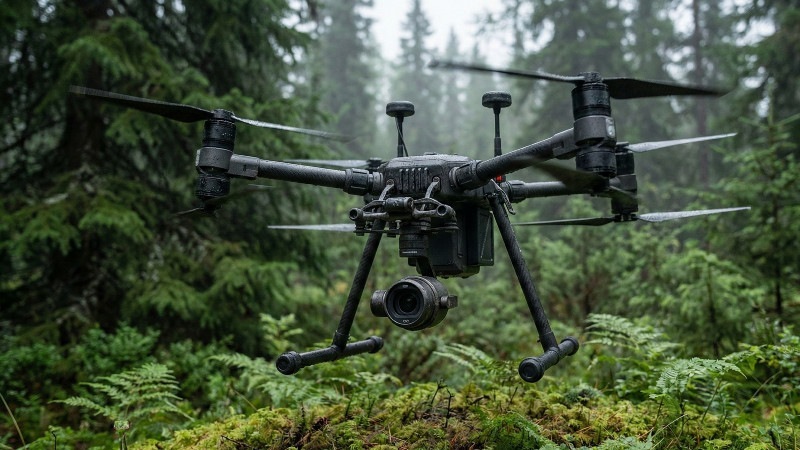
A pivotal role in the early detection and prevention of fire spread has been played by the innovative deployment of unmanned aerial vehicles (UAVs). Kamchatka has established a substantial fleet of these drones, integrating them into its comprehensive disaster management strategy. Regional official Dmitry Shchipitsyn confirmed that Kamchatka is in its second consecutive year of participation in the national ‘Unmanned Aircraft Systems’ project, leveraging various types of UAVs. This technological advantage allows for a gradual yet consistent reduction in the areas scorched by fire and facilitates a much more rapid initiation of firefighting efforts.
Overall, the region registered 11 forest fires across approximately 3.4 thousand hectares of forested land. Thanks to seamless coordination and advanced technical equipment, eight of these eleven blazes were successfully extinguished within the first 24 hours of detection. Currently, a network of 17 unmanned aerial vehicles is actively engaged in monitoring the environmental situation and coordinating the actions of ground crews, cementing Kamchatka’s position as a leading example of tech-driven disaster preparedness in one of the world’s most challenging natural environments.