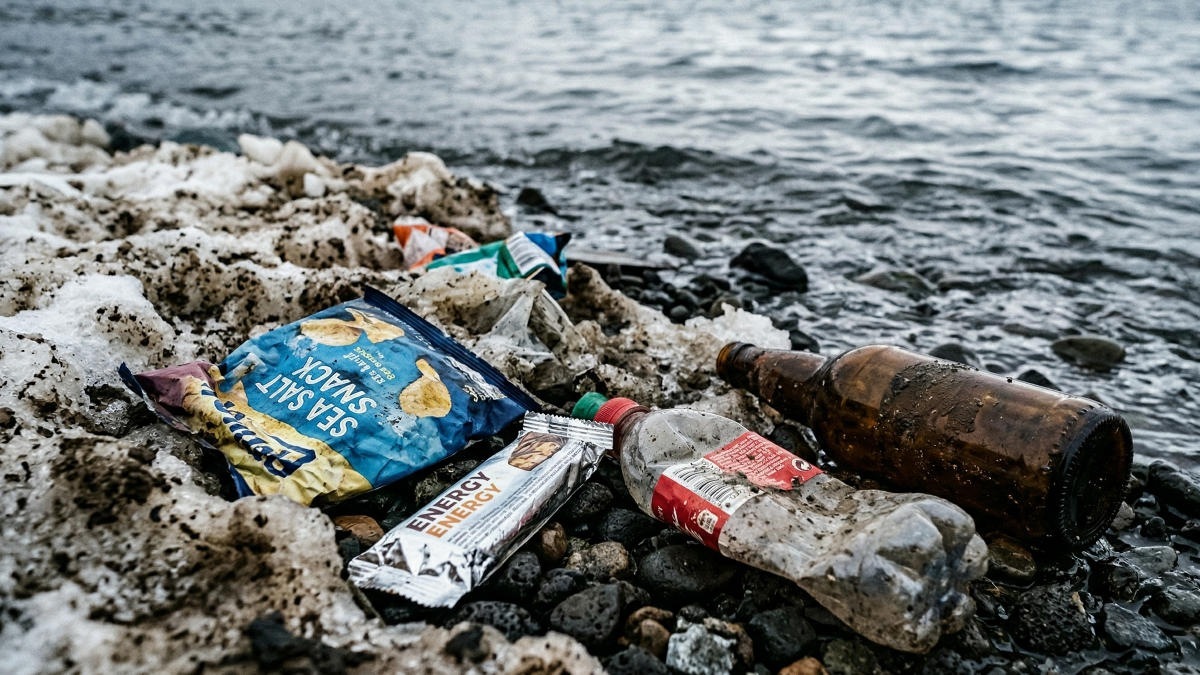
An alarming incident of illegal waste disposal has cast a shadow over Russia’s Kamchatka Peninsula, a region renowned for its pristine wilderness and volcanic landscapes. Local authorities have confirmed the unauthorized dumping of snow laden with household waste directly onto the shores of Avacha Bay, within the boundaries of the Nikolskaya Sopka Nature Monument. The public outcry began after local residents shared compelling video footage depicting vast heaps of debris accumulated at the water’s edge, sparking immediate concern among environmental watchdogs.
The swift response saw specialists from the ‘Volcanoes of Kamchatka’ natural park, alongside inspectors from the regional Ministry of Natural Resources, conducting an on-site investigation of the affected coastal strip. Their findings unequivocally confirmed a significant violation of environmental legislation. Investigators meticulously documented the volume of illegally discarded waste and compiled an official misconduct report. Consequently, administrative proceedings have been initiated, and authorities are now actively working to identify the company or individuals responsible for orchestrating this illicit dumping.
Nikolskaya Sopka stands as a protected natural territory of regional significance, a cherished site that, while open to the public, is governed by stringent environmental regulations. The administration of the natural park consistently reminds visitors of the imperative to adhere to rules designed to preserve this unique natural-recreational zone. These guidelines specifically mandate visitors to remove their own waste and strictly prohibit any damage to the landscape or local flora, underscoring the severity of the recent transgression.
This incident highlights pressing concerns about environmental stewardship and regulatory enforcement in one of Russia’s most ecologically sensitive regions. Avacha Bay, a critical marine habitat, is home to diverse wildlife and forms part of Kamchatka’s broader natural heritage, often promoted for its ecotourism potential. The dumping of contaminated snow and household refuse poses a direct threat to the delicate marine ecosystem, potentially impacting water quality and sensitive coastal biodiversity. The vigilant actions of local residents in bringing this issue to light underscore the crucial role of public involvement in protecting invaluable natural resources.
As the investigation progresses, the focus remains on holding the perpetrators accountable. This case serves as a stark reminder of the ongoing challenges in safeguarding protected areas globally and reinforces the need for robust environmental policies and their rigorous enforcement to prevent such damaging acts from compromising the ecological integrity of vital natural monuments.