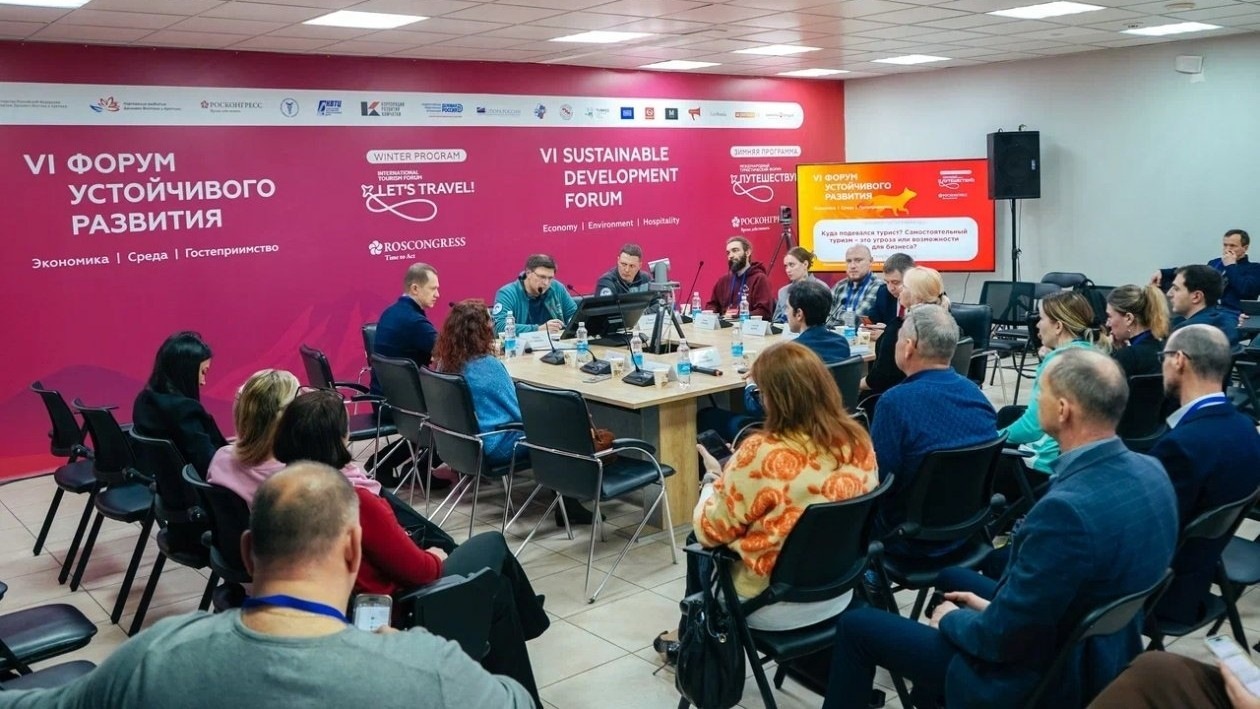
The vast, volcanic landscapes of Russia’s Kamchatka Peninsula are witnessing a profound transformation in their tourism sector. Travelers to this remote Far Eastern region are increasingly bypassing traditional tour operators, opting instead for self-guided adventures meticulously planned through online reviews and social media channels. This significant shift in consumer behavior, recently deliberated at the VI Forum on Sustainable Development of Kamchatka Krai, presents both unprecedented opportunities and pressing challenges, particularly for a region globally renowned for its fragile, pristine ecosystems. This evolving dynamic signals a critical juncture for sustainable development and environmental management in remote wilderness areas worldwide.
The economic footprint of these independent explorers is far from negligible. According to 2025 analytics from Sber, cited by the local Ministry of Tourism, visitors injected an estimated 50 billion rubles (approximately half a billion US dollars) into the local economy. This substantial sum, reportedly comparable to Kamchatka Krai’s annual federal subsidies, predominantly flowed into local grocery stores, dining establishments, and souvenir shops. This data underscores a critical redistribution of economic benefits: while tourism generates significant revenue, the primary beneficiaries are often the peripheral service providers rather than the conventional expedition organizers operating within Kamchatka’s protected natural territories.
However, this burgeoning trend raises considerable environmental stewardship concerns. The ‘wild tourist’ navigates the landscape differently from organized groups, altering the pattern of anthropogenic pressure on Kamchatka’s delicate ecological balance. For a region characterized by its unique biodiversity and vulnerable ecosystems, this behavioral change necessitates innovative approaches to environmental protection and conservation, prompting discussions on how to manage human access responsibly to safeguard nature’s integrity against potential unregulated impacts.
In response to this evolving market, local businesses are rapidly adapting their strategies to engage with this new wave of independent travelers. Vladimir Rusanov, the region’s Minister of Tourism, highlighted the industry’s need to ‘intercept’ visitors in their natural gathering places. What was once unthinkable – restaurants and shops actively promoting tour companies – is now commonplace, with guides’ business cards and flyers becoming a standard fixture in Kamchatka’s cafes. The aim is to connect with independent guests before they venture into the peninsula’s wild expanses without professional guidance, mitigating potential risks both for the travelers and the environment.
Remarkably, Kamchatka’s formidable geography acts as an inherent safeguard against entirely uncontrolled exploration of its most remote natural parks and reserves. The desire to explore beyond Petropavlovsk-Kamchatsky, the regional capital, invariably compels solo adventurers to join organized groups. Accessing iconic volcanoes, geyser valleys, and prime bear habitats is physically impossible without specialized, expensive off-road vehicles and expert navigation. The absence of an extensive network of paved roads serves as a natural barrier, channeling tourists back towards professional guides and effectively protecting the wilderness from unchecked human influx.
This surge in unorganized tourism is simultaneously pushing the professional tourism sector to reinvent its approach to ecological and educational outreach. Alexey Yudin, CEO of ‘Adventure Guide,’ views the current situation as a pivotal challenge for the industry, one that should inspire the creation of novel and compelling tourism formats. The industry must now curate experiences so unique and captivating that even the most independent traveler would choose them over completely self-directed exploration. Examples discussed include niche concepts such as historical character-led excursions or specialized scientific-popular expeditions guided by professional biologists or volcanologists, offering a deeper, expertly curated engagement with Kamchatka’s unparalleled natural heritage. This adaptive strategy points towards a future where sustainable, high-value tourism can thrive amidst changing global travel patterns, presenting a potential model for other unique and environmentally sensitive destinations worldwide.