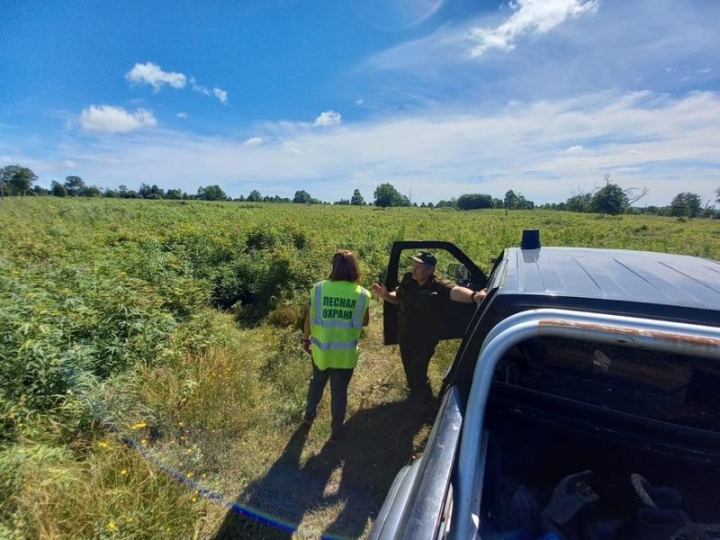
Kamchatka, Russia’s pristine Far Eastern peninsula renowned for its dramatic volcanoes and unique wildlife, faced a significant challenge from environmental crime in 2025, according to a recent report from regional authorities. Experts at the Ministry of Forest and Hunting Economy in Petropavlovsk-Kamchatsky revealed a startling number of violations uncovered during intense patrolling efforts throughout the year, underscoring the persistent threats to this ecologically sensitive region.
Official data indicates that state forest inspectors conducted a staggering 3,546 patrols across Kamchatka’s vast wilderness during 2025. These extensive operations, aimed at preserving the peninsula’s vital tree cover and timber resources, led to the identification of 145 breaches of forest legislation.
Concurrently, Kamchatka’s hunting inspectors were equally active, executing 2,779 field raids aimed at preserving the peninsula’s diverse fauna. Their efforts brought to light an additional 147 violations of environmental protection laws, ranging from illegal hunting to other harmful practices. The ministry confirmed significant confiscations, including 14 illegally obtained animals and birds – a stark reminder of the illicit wildlife trade – along with 9 firearms and over 60 pieces of illegal fishing gear.
The robust enforcement measures resulted in 93 individuals being held accountable for their actions. Furthermore, materials concerning 44 legal entities involved in these infractions have been formally submitted to the courts, signaling a decisive move towards prosecuting corporate environmental transgressions. These actions reflect the regional government’s commitment to upholding environmental law and deterring future violations.
While these figures pertain to a specific Russian region, they resonate with broader global challenges in environmental conservation and the fight against organized ecological crime. Kamchatka, a UNESCO World Heritage site and a critical habitat for species like brown bears, salmon, and numerous bird species, represents a vital frontier in environmental protection. The sustained efforts by its authorities highlight the ongoing battle to safeguard biodiversity and natural resources worldwide from illegal exploitation, emphasizing the shared responsibility of the international community in supporting such critical conservation endeavors.