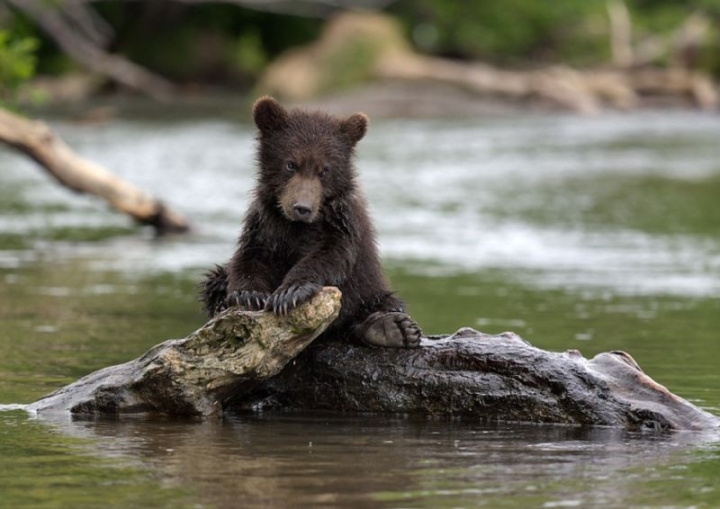
December 13th marks a unique observance across Russia, particularly in its wild eastern frontier, Kamchatka: Bear Day. This date traditionally signals the time when the region’s majestic brown bears are understood to have fully settled into their winter dens, entering a deep hibernation that lasts until spring’s thaw. It’s a moment steeped in popular belief, celebrating these iconic creatures as they retreat from the harsh winter landscape.
In commemoration of these revered ‘masters of the Kamchatka forests,’ local communities organize events. The Krasheninnikov Kamchatka Regional Library, for instance, hosted an ecological festival from December 12th to 17th. Attendees were treated to engaging lectures and lively discussions focusing on the bears’ life cycles and ecological roles. The program also featured practical workshops, a communal tea ceremony complete with specially prepared ‘bear jam,’ and an exhibition of literature dedicated to these magnificent animals, fostering appreciation and understanding among residents.
Indeed, the bear holds profound symbolic importance for Kamchatka, embodying the raw wilderness and power of this geographically isolated peninsula. These formidable and beautiful predators roam across its vast territories. However, this year presents a captivating paradox: contrary to the traditional notion of universal hibernation on Bear Day, a significant number of the peninsula’s apex predators are reportedly still active and thriving, defying the customary winter slumber.
This unusual phenomenon is notably observed around Kuril Lake within the South Kamchatka Federal Sanctuary. Here, the sockeye salmon continue their vital spawning cycle in the lake’s tributaries well into the winter months. This abundant and accessible food source provides a compelling reason for many bears to postpone their journey into hibernation. Instead, they can be seen leisurely feasting on the rich salmon runs and resting along the shores, delaying their retreat to winter dens until the food supply dwindles, offering a rare glimpse into the adaptability of these creatures in response to natural cycles.
The scenes captured by photographers like Nikolay Zinovyev underscore Kamchatka’s unparalleled biodiversity and the intricate relationship between its wildlife and environment. It highlights not just a local tradition but a vibrant ecological story of adaptation and survival in one of the world’s most pristine wildernesses, drawing international attention to the dynamic natural processes unfolding in Russia’s Far East.