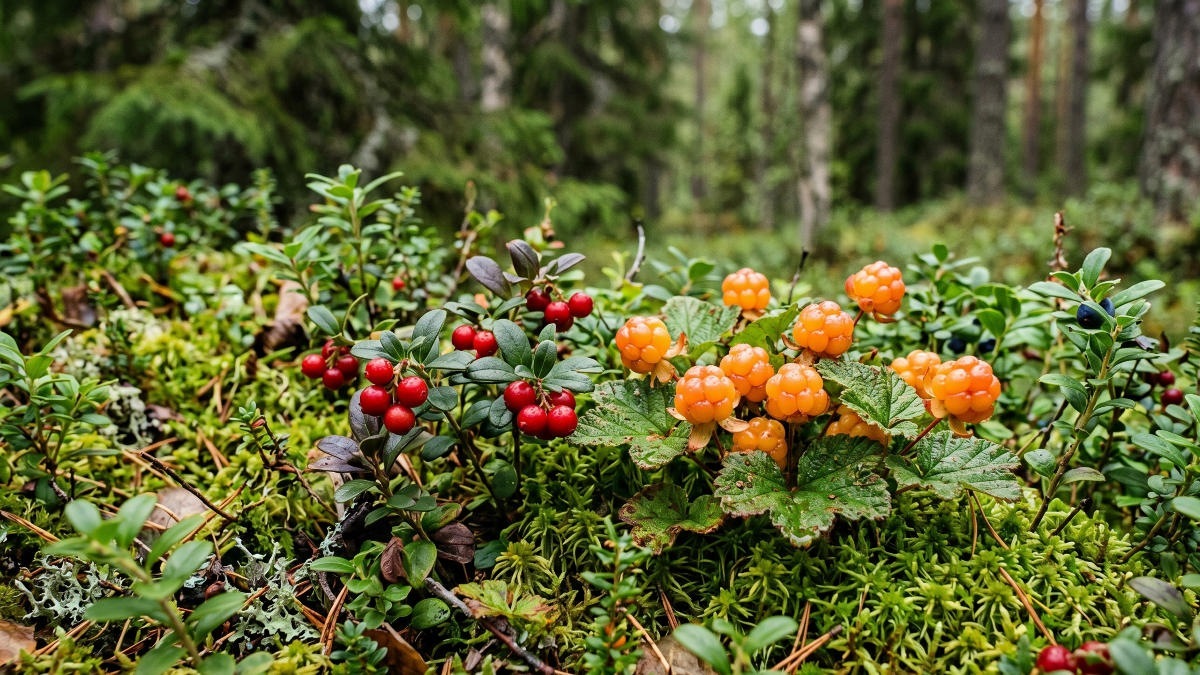
Kamchatka, a remote and ecologically significant region in Russia’s Far East, has unveiled a comprehensive update to its wild harvesting regulations. The Ministry of Forestry for Kamchatka Krai announced new stringent guidelines for locals and tourists alike, replacing decade-old norms to ensure the preservation of the region’s unparalleled biodiversity.
While citizens retain the right to freely gather mushrooms, berries, and birch sap for personal consumption without permits, the process is now meticulously systematized. The environmental agency has imposed a series of restrictions, primarily driven by a deep concern for the delicate ecosystem. Crucially, the harvesting of plants and fungi listed in the Red Book of endangered species, as well as those containing narcotic substances, is strictly forbidden. Furthermore, all foragers are mandated to adhere to strict fire safety protocols, maintain sanitary standards, and treat nature with utmost care, refraining from cutting bushes or destroying mycelial networks.
Regional authorities have introduced a detailed, calendar-based approach to berry harvesting. The season officially commences on July 20th, allowing for the collection of blueberries, honeysuckle, cloudberries, and Arctic bramble until the end of September. Rose hips are designated for harvest throughout August and September. The autumn phase begins on September 1st, opening a two-month window for lingonberries, cranberries, crowberries, elderberry-leaved rowan, and black crowberry.
Sustainability is further emphasized through prescribed harvesting methods tailored to different berry species. Lingonberries, cranberries, rose hips, blueberries, and black crowberries can be collected either by hand or using specialized scoops, provided the tool’s teeth spacing matches the fruit size. Honeysuckle can be picked by hand or shaken onto a cloth spread beneath the bush. However, more delicate species such as cloudberries, Arctic bramble, crowberries, and rowan require exclusively manual collection to prevent ecological damage.
The mushroom season in Kamchatka is officially confined to July through September. Regulations stipulate that mushrooms must be cut with a knife or carefully twisted from the soil, ensuring the underground part remains undamaged. The vacated spot should then be covered with forest litter. Birch sap collection is permitted in May and June, exclusively in mature forest areas slated for felling within at least five years. This process is meticulously regulated down to the centimeter: the trunk diameter at chest height must exceed 20 centimeters, with the number of tapping holes varying by tree thickness. A trunk between 20 and 26 centimeters in diameter allows for only one hole, while trees over 40 centimeters can have a maximum of four. Post-season, collectors are obligated to remove spouts, plug the channels with wooden stoppers, and seal them with garden balm. New tapping sites in subsequent years must be at least 20 centimeters away from old ones.
Specific guidelines also govern the harvesting of wild herbs. Wild garlic (Allium victorialis) can be cut from May to June, but any single harvesting site may only be utilized for three to four consecutive years to allow for regeneration. Bracken fern (Pteridium aquilinum) is to be collected at its young shoot stage with coiled leaves, with strict prohibitions against uprooting bulbs or damaging rhizomes.
For medicinal herbs, the ministry mandates leaving a quarter of the plant population untouched to ensure natural reproduction. Collectors are permitted to cut no more than half of a plant’s inflorescences and no more than a third of its leaves. Root excavation is a rare privilege, allowed only once every 15-20 years in a given area and solely after seeds have dispersed. Furthermore, the collection of any vegetation near highly trafficked roads, residential areas, or chemically treated territories is entirely forbidden, safeguarding both human health and ecological integrity.