The remote and ecologically sensitive Kamchatka Peninsula is taking significant strides in environmental protection, with the Elizovsky District launching a major initiative to collect discarded vehicle tires from its residents. This spring campaign aims to gather an ambitious 120 tons of rubber waste, underscoring local authorities’ commitment to safeguarding the region’s pristine natural environment and contributing to broader ecological efforts.
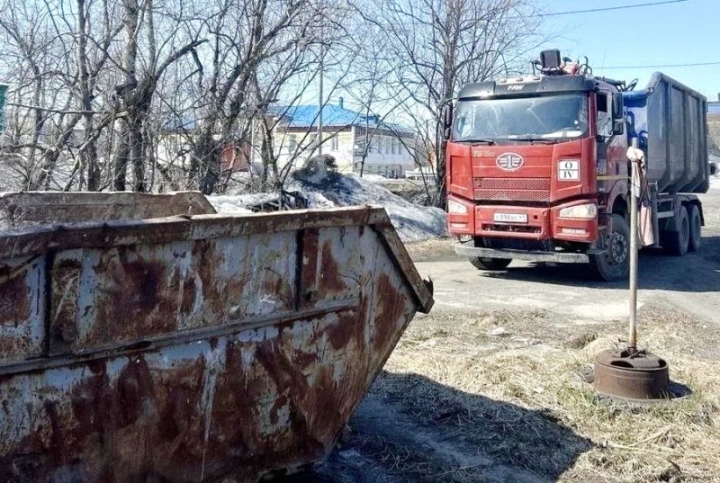
Across the district’s rural settlements, eight dedicated collection containers have been strategically placed. This systematic approach is designed to provide residents with accessible means to dispose of their used car tires, inner tubes, and other rubber vehicle waste responsibly. Officials from the municipal administration, who announced the campaign, emphasized that these specialized containers are exclusively for automotive rubber, preventing the commingling of general household waste and ensuring the efficiency of the collection process.
This initiative builds on successful prior efforts, showcasing a growing environmental consciousness in the region. Last year’s autumn-winter collection campaign in the Elizovsky District alone saw over 35 tons of automotive rubber waste collected from the public. Further demonstrating robust public engagement, the regional capital of Petropavlovsk-Kamchatsky during its autumn collection drive facilitated the return of an impressive 42,643 tires within a single month, supported by an incentive program that distributed over 2.1 million rubles to residents.
The accumulation of used tires poses a significant global environmental challenge, as they are non-biodegradable, can leach harmful chemicals into the soil and water, create breeding grounds for pests, and contribute to severe air pollution if improperly burned. By proactively managing this waste stream at a local level, the Elizovsky District is not only protecting the unique biodiversity of Kamchatka but also aligning with broader international efforts to promote sustainable waste management and mitigate ecological damage. This local action serves as a testament to Russia’s decentralized efforts in addressing pressing environmental issues.