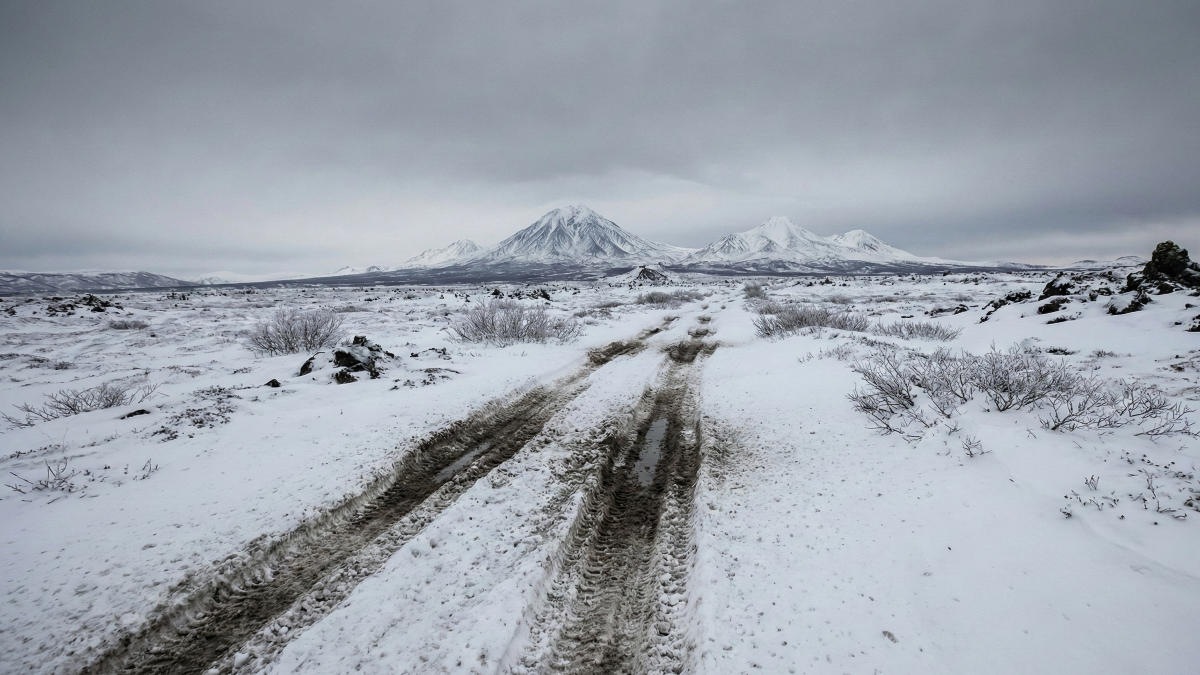
A crucial scientific expedition from Altai State University is currently underway in Russia’s remote and breathtaking Kamchatka Peninsula, focusing on the Nalychevo Nature Park. This pristine wilderness, characterized by its complex volcanic terrain, faces a significant challenge: its proximity to major population centers like Petropavlovsk-Kamchatsky and Elizovo ensures a consistently high influx of visitors. This makes the park a vital case study in balancing the demands of tourism with the imperative of ecological preservation, a global issue resonating across many of the world’s most cherished natural sites.
Last August, the research team conducted its initial summer phase of fieldwork, establishing bases at the Avachinsky and Central ranger stations. Their observations highlighted the immense popularity of iconic sites such as the ascent to Avachinsky Sopka volcano and the unique, geologically significant Verblyud extrusion. During peak weekends, researchers documented an astonishing sight: up to eighty high-clearance vehicles, each carrying between ten and sixteen visitors, underscoring the substantial human footprint on this fragile natural treasure.
The park’s allure is not limited to the warmer months; it operates year-round, necessitating comprehensive seasonal monitoring. The upcoming winter expedition, scheduled from March 6 to 9 – a period traditionally marked by maximum bookings – presents its own unique set of challenges. Kamchatka has recently contended with unprecedented snowfalls, leading to a temporary park closure in late February. This abundant snow precludes detailed botanical and zoological studies, shifting the scientific focus towards a thorough audit of existing infrastructure and precise traffic counting. Helicopter surveys will prove indispensable, allowing scientists to assess the impact of snow on vegetation and to evaluate the navigability and safety of sixteen designated ski and snowmobile routes.
At the core of this ambitious research lies the fundamental principle of ecological tourism: the imperative to shield vulnerable components of the park’s ecosystem from direct human interaction. Geographers and biologists meticulously map locations of rare plant species, delineate crucial animal habitats, and chart popular natural attractions, all while simultaneously quantifying visitor traffic. By calculating the park’s recreational capacity, the team aims to establish sustainable limits on tourism and to inform strategic infrastructure development. Engineering solutions, including the construction of wooden boardwalks, the establishment of clear sanitary zones, and the creation of safe fire pits, are being implemented across routes of varying difficulty to minimize disturbance to wildlife and protect delicate shorelines.
Beyond raw environmental data, the project incorporates invaluable insights gathered from field-based questionnaires, collecting information on visitor origins, trip durations, and their overall satisfaction with local infrastructure. This extensive dataset will be meticulously integrated into ministry-approved formulas for calculating recreational capacity, providing a robust scientific basis for future park management decisions. A separate, critical phase involves a thorough analysis of Nalychevo’s directorial documentation from the past three years, scrutinizing records of environmental violations and protocols of detainment. It is paramount to note that all research activities are strictly confined to the park’s designated recreational areas, carefully avoiding interference with the highly sensitive and protected zones that remain closed to general public access, thus ensuring the integrity of Kamchatka’s most secluded natural heritage.