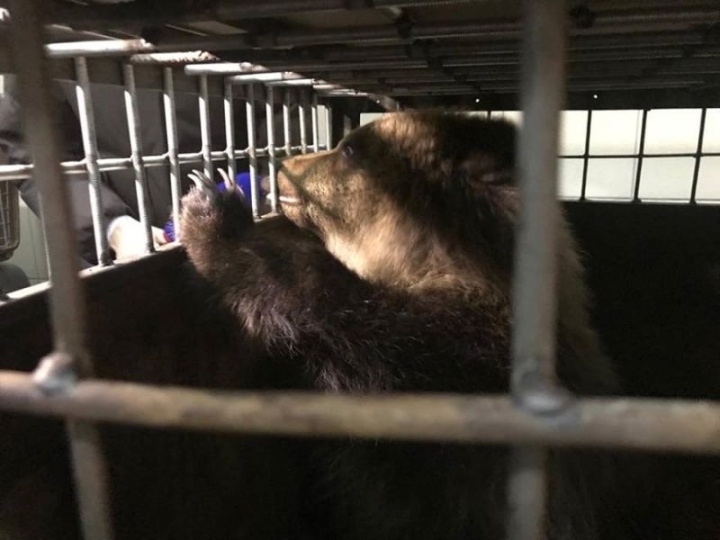
Kamchatka, Russia – The remote and ecologically rich Kamchatka Peninsula is set to significantly bolster its wildlife conservation efforts with the official establishment of “Bear Land” (Zemlya Medvedey). This newly designated specially protected recreational area will host a pioneering center dedicated to the rescue, rehabilitation, and long-term care of wild animals, marking a pivotal step in Russia’s commitment to biodiversity preservation and fostering a balanced coexistence between humans and nature.
The project, conceptualized and driven by the Environmental Protection Fund of Nature Defenders, is spearheaded by Pyotr Shpilenok, the esteemed former director of the Kronotsky Nature Reserve. This initiative responds to a growing need for enhanced wildlife protection in a region celebrated globally for its unique ecosystems and iconic apex predators.
Spanning over 74 hectares near the village of Razdolny in the Elizovo District, the site for “Bear Land” has been carefully selected to serve as a vital operational hub. The official government decree outlines the center’s multifaceted mission: to provide a specialized facility for the rescue, conservation, and rehabilitation of wild animals, to proactively prevent human-wildlife conflicts, and to implement comprehensive ecological education programs for the public.
The core services offered by the center will include critical ambulatory and veterinary care for wild animals found in distress, helplessness, or suffering from injuries or illness. Beyond immediate treatment, “Bear Land” will focus on rigorous rehabilitation protocols, preparing animals for their eventual and successful reintroduction into their natural habitats. For animals unable to return to the wild, the center will provide temporary or permanent sanctuary, and facilitate transfers to other reputable wildlife sanctuaries or zoos.
Significantly, “Bear Land” will also function as an important research facility. It aims to conduct in-depth scientific studies into the dynamics and prevention of human-wildlife conflicts—a challenge of increasing global relevance. These research efforts will complement extensive ecological awareness programs designed to engage both local communities and visitors, highlighting the profound importance of safeguarding Kamchatka’s unique environment and its wild inhabitants.
To ensure the pristine condition and ecological integrity of this vital conservation zone, strict environmental regulations have been enacted. The protected area prohibits unauthorized earthworks, disruption of hydrological regimes, extensive logging, mineral exploration, and the construction of industrial facilities or major infrastructure such as roads, pipelines, and power lines without explicit, specialized permits. These stringent measures are crucial for maintaining an undisturbed natural setting conducive to animal recovery and ecological study.
The boundaries of “Bear Land” will be clearly delineated with informational markers, and public access will be carefully managed according to regulations established by the Environmental Protection Fund of Nature Defenders. This controlled environment is essential to minimize stress on recovering animals and to protect the delicate ecological balance of the sanctuary.
The establishment of “Bear Land” represents the culmination of several years of growing concern and public discussion, particularly in response to an increasing number of incidents involving distressed wildlife, including orphaned bear cubs, across the Kamchatka region. This ambitious new center embodies a dedicated and proactive approach to these challenges, promising a brighter and more harmonious future for Kamchatka’s renowned wild predators and the people who share their land.