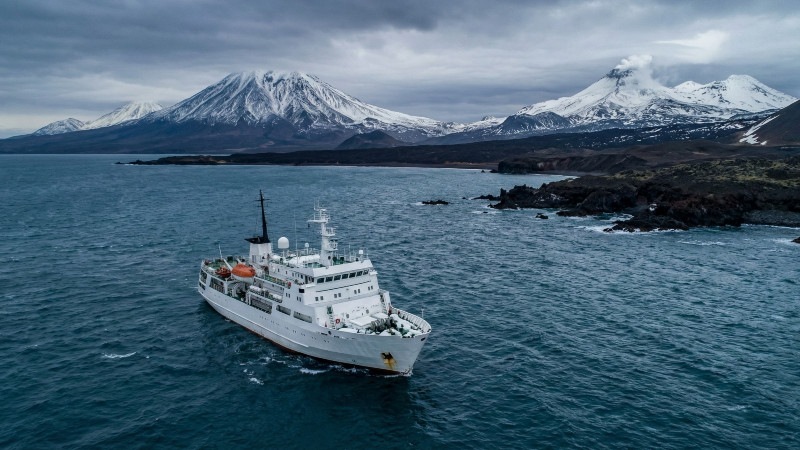
The majestic, untamed landscapes of Russia’s Kamchatka Peninsula are poised for a significant surge in tourism, with the upcoming season, less than six months away, marking the highly anticipated return of sea cruise programs. This development is seen by regional authorities as a crucial step in boosting the local economy and integrating the remote Far Eastern region into the global tourism market. Operators like “Panarctic Star” and “Vodokhod” have already opened bookings for voyages that will navigate the pristine waters, making calls at key locations including Petropavlovsk-Kamchatsky, the unique Commander Islands, the picturesque Russian Bay, and the ecologically sensitive mouth of the Zhupanova River. The navigation window for these journeys is scheduled from June 28 to October 5, promising a busy period for this spectacular yet fragile environment.
However, this commercial expansion is raising immediate and serious ecological concerns among environmental observers. “Panarctic Star” plans to deploy ice-class vessels, “Professor Khromov” and “Academic Shokalsky,” refitted from their former scientific roles in the Arctic to accommodate approximately forty tourists each. While smaller in scale, these routes are designed to penetrate deeply into vulnerable natural zones, including the designated protected areas around the Zhupanova River estuary and the marine territories of the Commander Islands, a UNESCO World Heritage site. Similarly, “Vodokhod” intends to operate the “SH Minerva,” capable of carrying 152 passengers. The consistent presence of motorized vessels and human groups in these critical habitats, particularly during the crucial summer months, poses an undeniable disturbance to marine mammals and disrupts vital fish migration routes.
The alarm bells are ringing even louder with the announced plans of JSC “Ruskruiz,” a company reportedly established with state backing, to introduce the colossal eleven-deck liner “Astoria Nova” to the Far Eastern routes. This vessel, with a staggering capacity for 1,266 passengers, will dwarf the operations of its counterparts. Its expansive itinerary includes Vladivostok, Sakhalin, the Kuril Islands, and the Kamchatka Peninsula. Environmental watchdog “Eremey Palych” has voiced profound apprehension, underscoring that the simultaneous disembarkation of over a thousand people onto coastal areas characterized by extremely fragile ecosystems demands an urgent and thorough environmental risk assessment. Such a scale of mass tourism invariably brings with it a host of challenges, from the disposal of substantial waste volumes and increased noise pollution to mechanical damage inflicted upon the delicate soil cover at landing sites.
The dichotomy between economic aspirations and environmental imperatives is stark. While regional authorities, including the Kamchatka Development Corporation, envision significant economic potential, forecasting a boom in air passenger traffic and the growth of ancillary hospitality industries, environmentalists warn of a looming crisis. They argue that the industrial-scale commercial exploitation of the region’s natural wonders could fundamentally conflict with the paramount need for biodiversity conservation. It is a critical reminder that the intensification of shipping and the surge in visitor numbers in these protected zones coincide precisely with the summer period, which is absolutely vital for the reproduction, foraging, and overall health of many iconic species of Far Eastern fauna, including several endangered ones.
The future of Kamchatka’s pristine wilderness now hangs in a delicate balance. As Russia seeks to harness the economic potential of its remote regions, the international community and conservation efforts will undoubtedly be closely watching how these ambitious tourism projects are managed. The challenge lies in developing robust, transparent environmental safeguards and sustainable tourism practices that protect Kamchatka’s unique biodiversity, ensuring that its natural splendor can be appreciated without being irrevocably damaged for generations to come. The responsibility to mitigate these impacts is not only local but resonates with global conservation commitments to preserving one of the world’s last great wildernesses.