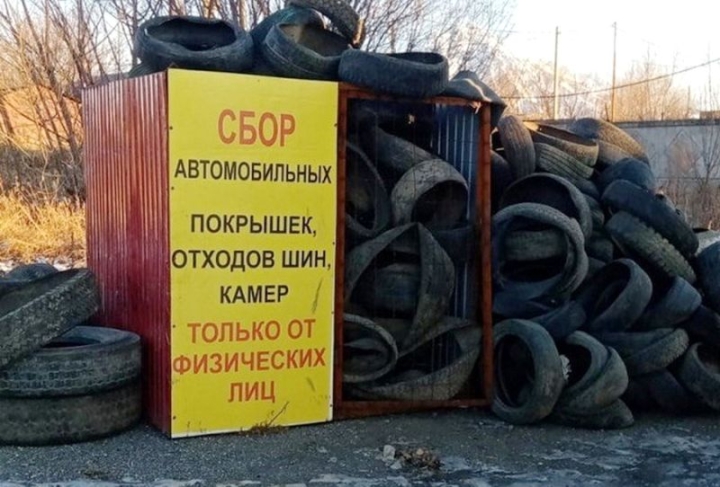
In a concerted effort to curb environmental pollution, Russia’s Elizovsky District, nestled within the pristine and ecologically sensitive Kamchatka Peninsula, is nearing the conclusion of a significant campaign to collect discarded vehicle tires. This local initiative, however, resonates with wider international dialogues on sustainable waste management and the imperative to protect fragile ecosystems from hazardous refuse, which often includes microplastic contamination and breeding grounds for disease vectors.
Since its inception on November 5th, the program has successfully gathered over 35 tons of used auto-rubber from residents, utilizing a network of eight strategically placed bunker-containers across rural settlements. Local authorities, through their appointed contractors, ensure regular removal of the accumulating waste, demonstrating a pragmatic approach to tackling a pervasive environmental problem that frequently poses challenges for municipalities worldwide.
Beyond citizen participation, the campaign has also proactively addressed the scourge of illegal dumping. Specialized organizations have been deployed to clear unauthorized landfills, reclaiming an additional 17 tons of tires in just two weeks – a stark reminder of the challenges posed by irresponsible disposal and the ongoing battle against environmental degradation. Officials have reiterated that the dedicated containers are exclusively for tires, underscoring the importance of proper waste segregation for effective recycling and disposal.
This local endeavor in Elizovsky is not an isolated incident but part of a broader regional commitment to environmental stewardship. The capital of Kamchatka Krai, Petropavlovsk-Kamchatsky, recently concluded its own autumn tire collection drive from October 15th to November 19th. That campaign, enticing residents with financial incentives, saw an impressive 42,643 tires collected, amounting to rewards exceeding 2.1 million rubles. Such varied approaches highlight different strategies in encouraging public participation and underscore the significant investment required to manage this particular waste stream effectively.
For international observers, these localized clean-up operations in Russia’s Far East offer valuable insights into regional environmental governance and the global push towards a circular economy. While geographically remote, the challenges faced by Kamchatka mirror those in countless communities worldwide: managing industrial and consumer waste, combating illegal dumping, and fostering environmental responsibility. The success of these campaigns, though seemingly small on a global scale, represents crucial steps in mitigating ecological risks and contributes to the larger international dialogue on sustainable development and environmental protection, underscoring that local actions are indispensable to global well-being.