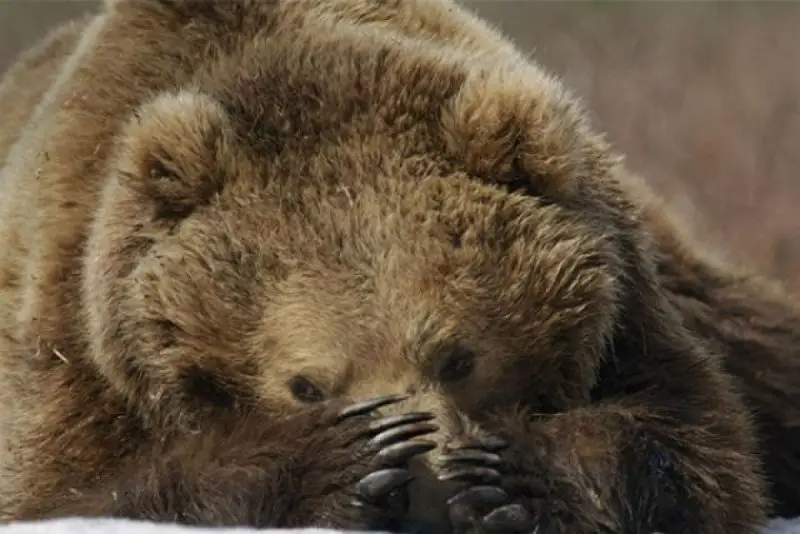
The world of bears features a specific vocabulary for categorizing the animals by age and status. A mother bear with cubs is known as a matukha, while a cub born in the current year is termed a segoletok. In its second year of life, a cub becomes a lonchak, and by the third year, it is referred to as a tretyak. The familiar concept of hibernation is also more accurately described as winter sleep, as the animal maintains the ability to wake up quite rapidly.
Environmental specialists have expanded upon these professional terms by compiling a comprehensive bear glossary aimed at promoting safe coexistence. This dictionary incorporates practical vocabulary designed to explain critical safety concepts through accessible language. While some terms are well-known to wildlife experts, others were specifically developed to highlight situations that directly impact the outcome of human-bear encounters. Clear and memorable definitions often remain in memory better than lengthy instructions, providing crucial guidance during unexpected interactions.
The glossary categorizes various human behaviors and their consequences in bear habitat. A giant refers to a person who acts correctly during an encounter by raising a backpack or another item above their head to increase their silhouette without running – demonstrating to the animal that they are not easy prey. Conversely, a moving target is someone who attempts to flee, thereby triggering the predatory chase instinct in the bear and initiating a pursuit in which human survival chances are minimal. A good neighbor maintains a safe distance, refrains from feeding wildlife, removes all waste, and studies safety protocols before entering natural territories. A selfie-naturalist is an individual who approaches a wild animal closer than safety guidelines permit to capture a photograph, while a quiet ninja in danger describes a tourist moving silently through dense vegetation with headphones, risking a sudden and dangerous face-to-face encounter.
Specific terms also describe conditions related to the bears and the hazards created by humans. A spoiled bear is one that humans have habituated to seeking easy food sources near residences, vehicles, and tourist camps. This habituation process is closely linked to delayed killing, which occurs when feeding causes a bear to lose its natural caution, approach human settlements, and ultimately face lethal consequences due to resulting conflicts. An invitation to visit refers to food, garbage, fish waste, or pet food left unsecured near a residential property. Similarly, a buffet describes exposed food and remnants left around a campsite, allowing the bear to consume the items and encouraging its return.
Other safety elements involve pets, deterrents, and a clear understanding of bear life stages. A tailed provocateur is an off-leash dog in bear territory that may chase a bear, become frightened, and lead the agitated animal directly back to its owner. For defense, a signal flare is a pyrotechnic device with a bright flame used strictly according to safety and fire prevention instructions to scare away an approaching animal. Understanding bear life stages remains equally important for situational awareness. A matukha represents a highly protective mother on constant guard, whereas a segoletok is entirely dependent on its mother and is rarely found alone. A lonchak has grown significantly but remains under maternal care, and a tretyak appears almost fully grown – despite still being considered a juvenile in the context of regional bear populations.