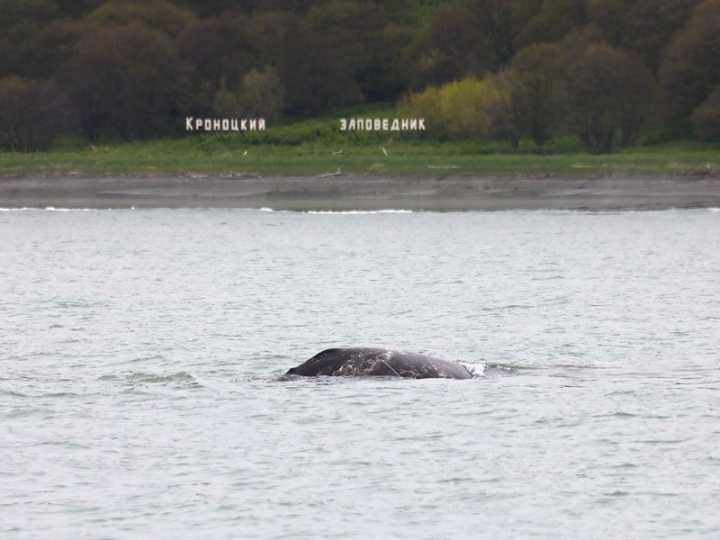
In a significant natural event underscoring the remarkable resilience of marine life, the Kronotsky Bay in Russia’s remote Kamchatka region has welcomed its inaugural gray whale mother and calf of the season. This arrival marks a critical milestone in the annual migration of these magnificent creatures, providing a beacon of hope for their delicate population after an extraordinary journey across the Pacific.
The newcomer, a calf weighing approximately one ton and identified as K267 in the comprehensive Kamchatka gray whale photo catalog, has completed an astonishing 8,000-kilometer expanse of ocean. Barely a few months old, this young whale has navigated from its birthing grounds in the warm lagoons of Mexico’s Baja California Peninsula, demonstrating an arduous, trans-continental voyage connecting distant nations through its very existence.
Gray whale mothers, burdened by gestation and the demands of nursing, typically commence their long migration later than other members of their species. Calves, born between December and March, require a crucial period of growth and strengthening before embarking on the epic northward trek to their summer feeding grounds. The immense energy expenditure during this period is evident in the mother’s current lean state, having endured pregnancy, the journey to Mexico and back, and continuously providing sustenance for her offspring.
Experts from the Kronotsky Nature Reserve emphasize the critical importance of these coming months. The protected waters of the bay offer a vital sanctuary where the whales can recuperate and replenish their energy reserves by feeding on abundant benthic organisms in the coastal waters. This period is crucial for the calf’s development and the mother’s recovery after a metabolically challenging winter and migration.
To ensure the undisturbed recuperation and feeding of these vulnerable marine mammals, access to the protected waters for tourists is carefully regulated, typically opening only in the latter half of the summer. This responsible approach to ecotourism management underscores Russia’s commitment to safeguarding its precious marine ecosystems and facilitating the continued survival of these iconic trans-Pacific travelers. Anticipation now builds for the arrival of more gray whale mothers and calves, further enriching the biodiversity of Kamchatka’s pristine waters.