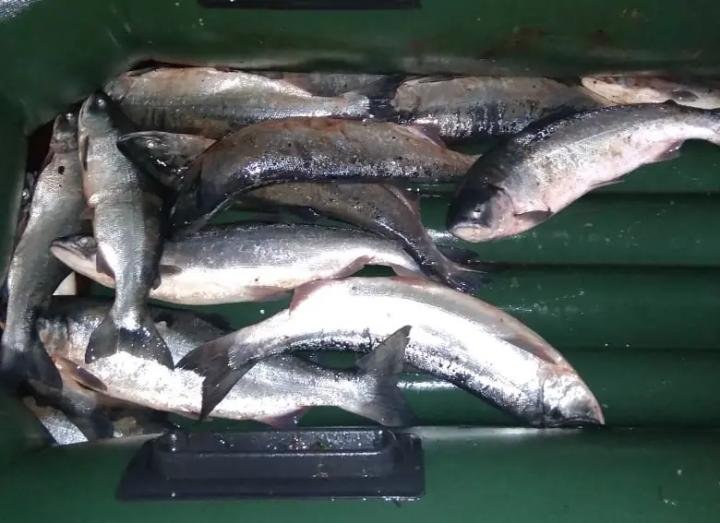
In a robust crackdown on illegal fishing activities in Russia’s ecologically vital Far East, fisheries inspectors on the Kamchatka Peninsula have confiscated nearly 100 kilograms (approximately 220 pounds) of illegally caught seafood in just one week. The significant seizure underscores the persistent challenge of poaching in one of the world’s most pristine and resource-rich regions, drawing attention to broader issues of environmental crime and sustainable resource management that resonate globally.
During intensive patrols conducted by the North-Eastern Territorial Administration of the Federal Agency for Fisheries (Rosrybolovstvo), enforcement officers apprehended 130 individuals for various violations across Kamchatka’s waterways. Beyond the substantial haul of fish, authorities also seized six vehicles and 48 pieces of illegal fishing gear, demonstrating the scale and sophisticated nature of some of these illicit operations. Investigations are ongoing, with one case already being considered for potential criminal prosecution, signaling a serious approach by Russian authorities to hold perpetrators accountable.
The Kamchatka Peninsula is globally renowned for its abundant Pacific salmon populations, including highly prized Chinook (often referred to as King salmon) and Sockeye, which are crucial for the region’s ecosystem and legitimate fishing industry. Illegal, unreported, and unregulated (IUU) fishing poses a severe threat to these delicate balances, depleting fish stocks, damaging marine habitats, and undermining the economic viability of legal fisheries. These activities often feed into global black markets, where high-value products like salmon roe fetch exorbitant prices.
Indeed, the economic drivers behind such illicit activities are starkly evident in local markets, where fresh Chinook salmon caviar was recently observed selling for as much as 13,000 rubles per kilogram (roughly $145 USD at current exchange rates). This high demand and profitability create a powerful incentive for poachers, making the battle against illegal fishing an enduring challenge that requires sustained effort and robust enforcement, not just locally, but with implications for international cooperation on marine conservation and combating transnational environmental crime.
To combat this pervasive issue, Rosrybolovstvo has deployed 16 operational groups and established 17 stationary posts across Kamchatka’s vast aquatic territories, indicating a concerted and ongoing effort to safeguard Russia’s valuable aquatic bioresources. This relentless pursuit of illegal fishermen is vital for preserving the region’s unique biodiversity and ensuring the long-term sustainability of its fisheries, aligning with global efforts to combat environmental crime and protect shared marine heritage for future generations.