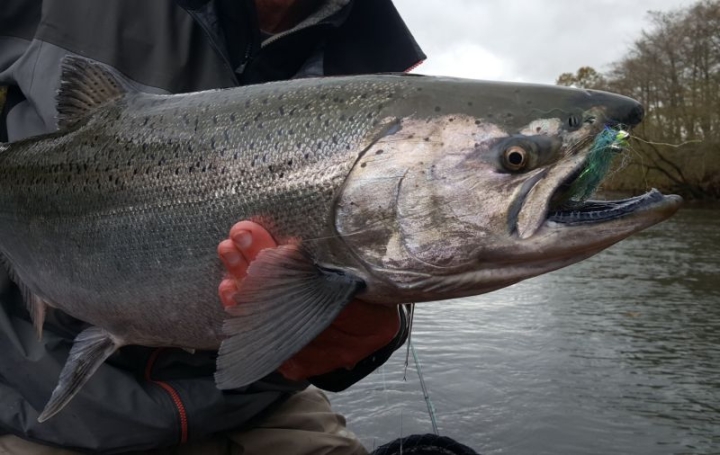
Reports emanating from Russia’s remote Kamchatka Peninsula indicate that illegal fishing operations are already in full swing, with poachers offering freshly caught Chinook salmon, known locally as Chavycha, for sale on popular online platforms. This illicit trade precedes the official fishing season, signaling a recurring challenge for conservationists and law enforcement in one of the world’s most vital wild salmon habitats, according to local reports from Kamchatka.Today.
Several specimens of this prized ‘king salmon’ have appeared for sale at approximately 1,200 rubles per kilogram. The premature arrival of these catches on the black market raises immediate concerns, as the legal ‘red fishing season’ in Kamchatka is not slated to commence until June 1st in the Ust-Kamchatka district. Recreational fishing in specific rivers, such as Paratunka and Avacha, is not permitted until July 5th, further highlighting the illegal nature of these early sales.
This phenomenon is not new to the region, which is renowned globally for its abundant salmon runs. In previous years, Kamchatka’s illegal fishing syndicates also commenced their operations well before official dates. Last year, the initial price for illegally harvested Chinook reached 1,800 rubles per kilogram, while the year prior saw prices around 1,500 rubles. These early, inflated prices often drop by 200-300 rubles as the legal season progresses and the supply, both legitimate and illicit, increases.
The environmental and economic toll of such illegal activities is substantial. Russian authorities have established significant penalties for poachers attempting to exploit these valuable marine resources. The fines for illegally harvested salmon range from 961 rubles for a single pink salmon to 11,575 rubles for sockeye, and 10,635 rubles for Chinook or Coho salmon, regardless of size. Furthermore, the illicit trade in red caviar incurs an even steeper penalty, with damages calculated at 27,455 rubles per kilogram. These figures underscore the serious threat posed to the delicate ecosystem, the sustainability of fish stocks, and the legitimate fishing industry that supports local communities and plays a role in the regional economy.