The renowned Kronotsky Nature Reserve in Russia’s far-eastern Kamchatka Peninsula has announced a groundbreaking initiative, opening applications for a free online course dedicated to the responsible observation of marine mammals. This program aims to equip professionals and enthusiasts alike – including tour guides, boat captains, and all nature admirers – with the essential knowledge and skills needed to foster sustainable ecotourism in one of the world’s most biodiverse marine environments.
Titled “Marine Tourism in Specially Protected Natural Areas,” the comprehensive course will be delivered online, making it accessible to a wide international audience interested in Kamchatka’s unique aquatic wonders. Spearheaded by Evgenia Volkova, a distinguished researcher at the reserve, the curriculum is meticulously designed to not only educate participants on the rich diversity of local marine fauna but also to instill best practices for organizing observations that minimize disturbance to these sentient creatures.
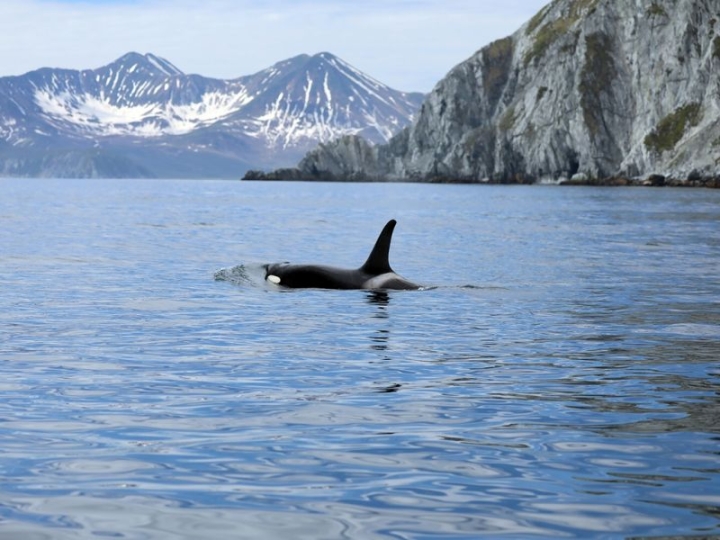
Participants will delve into the lives of iconic species native to Kamchatka’s pristine waters, including the majestic Steller sea lion, the lively largha seal, the playful sea otter, and a host of cetaceans such as the gray whale, humpback whale, and the powerful orca. The program is structured into 19 concise online lessons across three key modules, covering the intricate biology and behavior of marine mammals, strict regulations governing visits to protected aquatic zones, and established eco-tourist routes. A vital component of the training will also involve instructing participants on how to collect valuable scientific data, making them active contributors to ongoing research and conservation efforts.
Prospective applicants are invited to complete an online registration form, with submissions to be meticulously reviewed by specialists from the “School of Nature Defenders,” an entity dedicated to environmental education. This initiative by the Kronotsky Nature Reserve underscores Russia’s commitment to promoting responsible tourism and preserving its unparalleled natural heritage, setting a precedent for sustainable engagement with marine ecosystems globally. By empowering local guides and tourism professionals, the program not only protects vulnerable species but also enhances the visitor experience, aligning with international best practices for protected areas.