A significant surge in marine resource exploitation by Russia’s Far Eastern fishing fleet marks the conclusion of the first major pollock season, known as ‘Season A’. Traditionally running from January 1st through March, and sometimes extending into early April in specific North Okhotsk waters, this period has witnessed a notable intensification of biological resource extraction compared to the previous year. By early April, the total pollock catch neared an impressive 857,000 metric tons, with the Okhotsk Sea bearing the brunt of this industrial effort, yielding over 611,000 tons alone. This substantial output underscores Russia’s influential role in global fisheries and its capacity to mobilize vast resources for marine harvesting.
The scale of increase is particularly striking in certain areas, prompting close scrutiny from environmental and regulatory bodies worldwide. The West Bering Sea zone, for instance, reported a staggering 2.2-fold increase in catch volumes, exceeding 66,000 tons. Concurrently, the East Kamchatka zone experienced a substantial nearly one-third growth, with the fleet hauling in 75,000 tons. Such dramatic escalations in commercial fishing intensity necessitate a delicate balance with marine ecology, especially given the pressing challenges of climate change that are already altering fish habitats and population dynamics of benthic species across the planet’s oceans. These shifts demand an adaptive and internationally collaborative approach to resource management.
The heightened activity extends beyond pollock, indicating a broader pressure on diverse marine ecosystems. Pacific herring extraction saw a 10 percent increase over 2025 levels, reaching 162,000 tons, predominantly sourced from the northern Okhotsk Sea. Cod catches across the entire Far Eastern basin also contributed significantly to the overall marine harvest, totaling close to 38,000 tons. This multi-species exploitation highlights the comprehensive nature of the fishing operations and the extensive reach of the fleet.
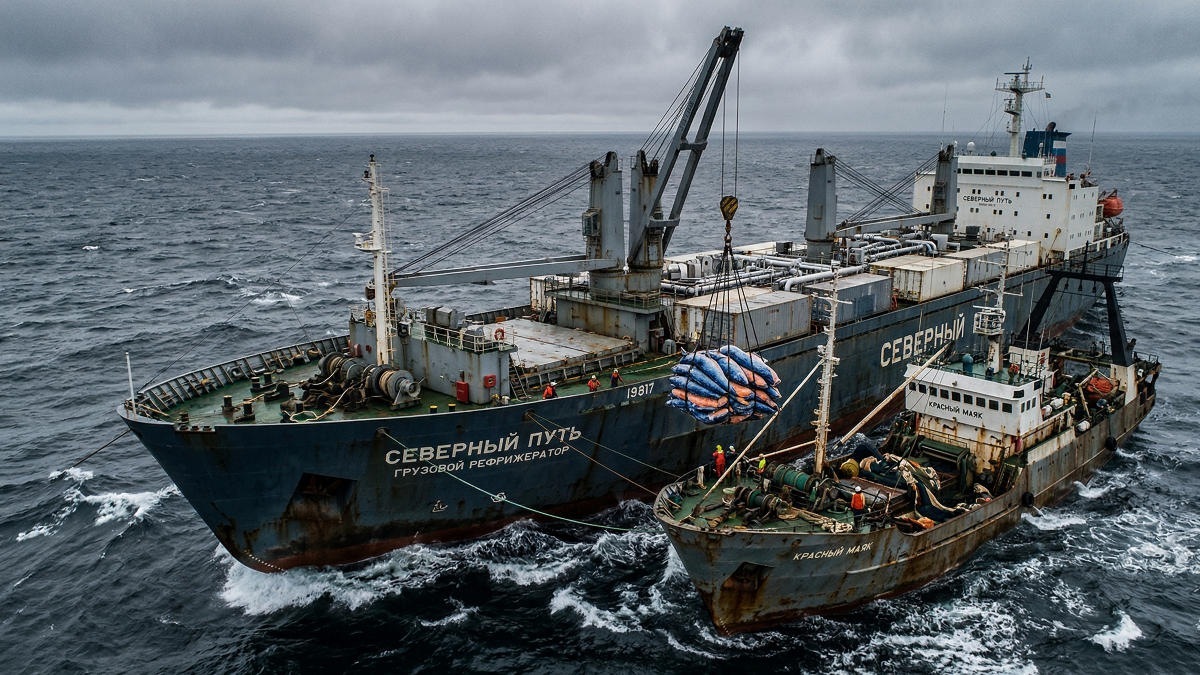
Supporting this massive operation is a formidable industrial presence. Approximately 90 fishing vessels, many of them large-tonnage ships capable of processing hundreds of tons of biomass daily, were deployed in the Okhotsk Sea expedition alone. The logistics of transporting such vast quantities of product to shore are managed by over three dozen transport refrigeration vessels, ensuring continuous supply chains. With projections indicating that the total pollock yield in the Russian Far East will surpass 1.012 million tons by year-end, the imperative for stringent and continuous monitoring of oceanic stocks by regulatory authorities — both national and international — becomes unequivocally clear. The long-term sustainability of these vital marine resources hinges on meticulous oversight and adherence to scientific recommendations.