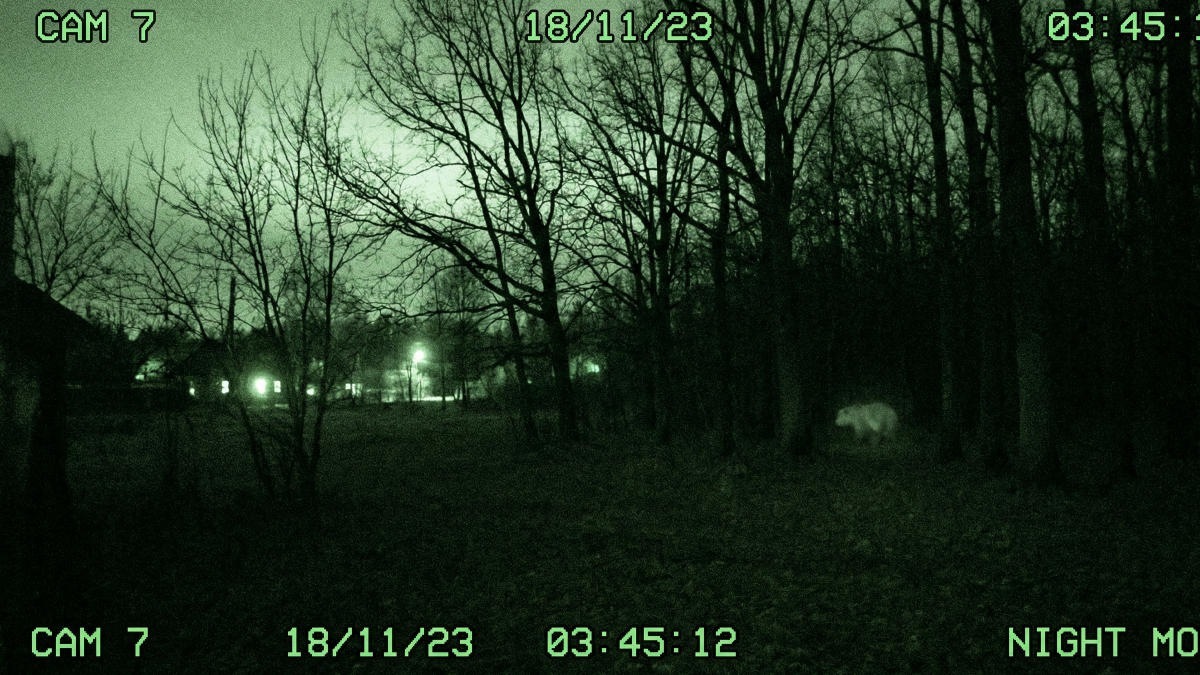
In a move underscoring the escalating human-wildlife conflict in Russia’s Far East, authorities in the Kamchatka region have sanctioned a seasonal culling of brown bears, set to commence in April 2026. This decision comes as a direct response to an increasing threat to public safety, with predatory animals reportedly venturing into populated areas and exhibiting unusual boldness by ignoring conventional noise and light deterrents.
The critical situation has prompted regional officials to take decisive action, highlighting a growing challenge faced by communities living in close proximity to vast wilderness. The presence of these large predators near residential zones, coupled with their apparent habituation to human activity, has raised significant safety concerns, necessitating intervention from the Kamchatka Ministry of Forestry and Hunting to protect local populations.
One phase of the operation is scheduled within the Palanskoye hunting reserve, running from April 5 to May 4. Here, permission has been granted for the culling of three male brown bears, all under six years of age. According to the regional ministry, these specific animals have been consistently observed approaching residential buildings at dangerously close distances, posing an immediate risk to inhabitants.
A more extensive initiative is planned for the Penzhinsky district. From April 15 to May 14, hunters will be authorized to cull ten male bears, aged between three and six years, within the publicly accessible hunting ground No. 13, known as “Tsentralny.” Evidence of a persistent bear presence, including fresh tracks, has been documented near the villages of Kamenskoye and Manily, confirming the animals’ regular proximity to human settlements.
The approved protocol for these operations permits the use of both rifled and smoothbore firearms. Hunters are also authorized to employ advanced night-vision technology, including thermal imagers and directed light devices, for nocturnal searches. Various hunting methods are allowed, such as ambushing, stalking, and utilizing specialized dog breeds. Notably, participants in the culling operations are permitted to retain any harvested products for their personal consumption, an incentive often debated in wildlife management circles.