In a landmark initiative poised to redefine regional development and environmental stewardship, eleven leading scientific institutions have presented the findings of an expansive two-year research program across Russia’s vast Kamchatka Peninsula. Coordinated by the Vitus Bering Kamchatka State University, this ambitious project delved into a remarkable spectrum of studies, from the complex behavior of volcanoes during mega-earthquakes to pioneering methods for combating oil spills with microorganisms. The comprehensive report was officially unveiled at a pivotal meeting chaired by the Head of the Regional Government, Yulia Morozova, underscoring the strategic importance of scientific inquiry for the region’s future.
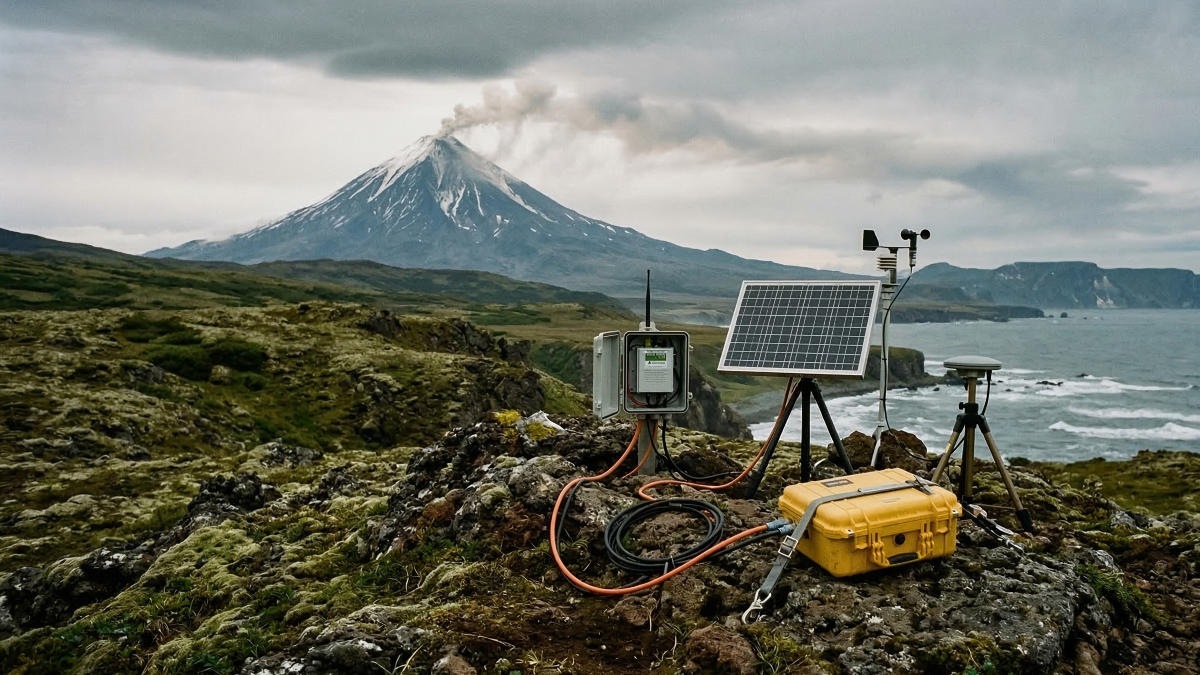
The research yielded critical advancements in understanding and mitigating natural hazards inherent to this seismically active Pacific Rim territory. Over the two-year period, researchers established five new observation stations on the formidable Avacha volcanic group, providing an unprecedented opportunity to monitor volcanic systems. Crucially, this new apparatus recorded an 8.8-magnitude earthquake, offering specialists rare insights into the intricate reactions of these colossal geological structures to extreme seismic stress. Concurrently, a new satellite monitoring system for coastal waters became operational, empowering environmentalists with real-time data to track the proliferation of toxic microalgae blooms and detect oil slicks across the ocean surface – challenges with profound implications for marine ecosystems globally.
Beyond immediate threats, the ecological segment of the program delivered applied solutions with far-reaching potential. Scientists successfully curated a collection of bacteria specifically adapted to break down petroleum products efficiently in low-temperature conditions, offering a crucial tool for Arctic and sub-Arctic environmental protection. A new geoinformation database was developed to monitor heavy metal concentrations in the region’s diverse water bodies, safeguarding public health and environmental integrity. Furthermore, the initiative cataloged populations of rare animal species and assessed forty potato varieties for local agribusiness needs, bolstering both biodiversity conservation and food security. In the realm of sustainable development, researchers meticulously calculated the thermal potential of the Paratunka and Pauzhetka hydrothermal systems, laying a robust scientific foundation for expanding Kamchatka’s burgeoning health resort and tourism sector.
The scope of this scientific endeavor extended deeply into societal and cultural domains. An innovative digital agent-oriented model of the Kamchatka Krai was developed, designed to integrate demographic, economic, and educational processes. This sophisticated system provides powerful predictive capabilities, enabling regional authorities to anticipate and strategically plan for future territorial development. On the cultural front, the project undertook the vital systematization of recreational facilities, digitized the rich cultural heritage of Kamchatka’s indigenous small-numbered peoples, and created a foundational database for an electronic translator to preserve and promote their unique languages.
According to Olga Rebkovets, Acting Rector of KamSU, the project was meticulously structured to address the specific needs and challenges articulated by regional government bodies and businesses. “The university, as the program’s coordinator, bears the responsibility of ensuring that scientific discoveries do not remain confined within laboratories,” Rebkovets emphasized, highlighting the applied nature of the research. Yulia Morozova, Head of the regional cabinet of ministers, praised this collaborative approach as an exemplary model of productive interaction, where vast datasets are effectively converted into actionable tools for informed territorial management. The comprehensive research materials are now being disseminated to relevant ministries, including Rosrybolovstvo (Federal Agency for Fishery), EMERCOM (Ministry of Emergency Situations), and Rospotrebnadzor (Federal Service for Surveillance on Consumer Rights Protection and Human Wellbeing), paving the way for practical implementation and the enhancement of public services and environmental protection across Kamchatka.