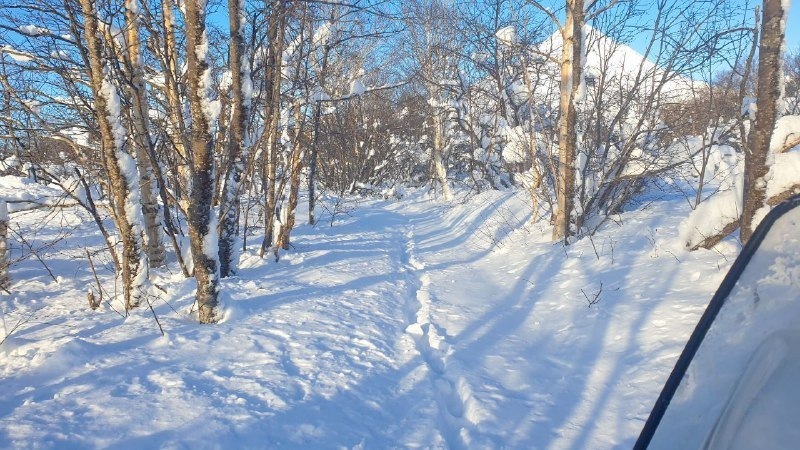
In the vast, pristine wilderness of Russia’s Far East, the Kronotsky Nature Reserve has launched its annual winter wildlife census, a crucial undertaking designed to monitor key species populations across its sprawling, protected landscapes. This rigorous scientific endeavor, carried out by dedicated specialists, underscores Russia’s continuous commitment to biodiversity conservation and ecological oversight in one of the planet’s most unique environments.
Teams of experienced researchers are currently traversing hundreds of kilometers on skis, meticulously tracking animal footprints in the snow – a time-honored and essential method for estimating current population numbers. The diverse array of species under scrutiny includes the snow hare, sable, wolverine, fox, wolf, lynx, and moose, providing a vital snapshot of the reserve’s ecological health. These challenging field operations are set to continue until March, covering an extensive network of routes.
This season’s unusually high snow cover is proving to be a significant advantage, allowing researchers unparalleled access to prime wildlife habitats that might otherwise be difficult to reach. Their demanding routes span the diverse topography of the reserve, from the rugged Pacific coastlines to the majestic, glacial beauty of Kronotsky Lake and the ancient, pristine forests of the Lazovsky section, home to the unique Shchapinskiy spruce groves. The sheer scale of the operation involves covering approximately 400 kilometers of remote wilderness.
Natalia Akbirova, a state inspector with the Kronotsky Nature Reserve, provided an on-the-ground report, stating that field groups embarked on their expeditions immediately following a recent lull in intense blizzards. The Tundrovy stream area was among the first sections to be surveyed. Akbirova noted particularly favorable conditions this year, with extensive snow cover bridging streams and small rivers, eliminating the need to remove skis or construct temporary snow bridges – a common necessity during winters with less snowfall. Initial observations from this first route primarily revealed abundant sable tracks, alongside traces of several hares, a pair of ermines, and a lone squirrel, offering early insights into local animal activity.
These annual winter surveys are more than just a count; they are a cornerstone of long-term ecological monitoring, providing invaluable baseline data essential for informed conservation strategies and wildlife management. The tenacious work of these scientists in one of the world’s most breathtaking yet challenging environments highlights the continuous global effort to understand and protect our planet’s invaluable natural heritage.