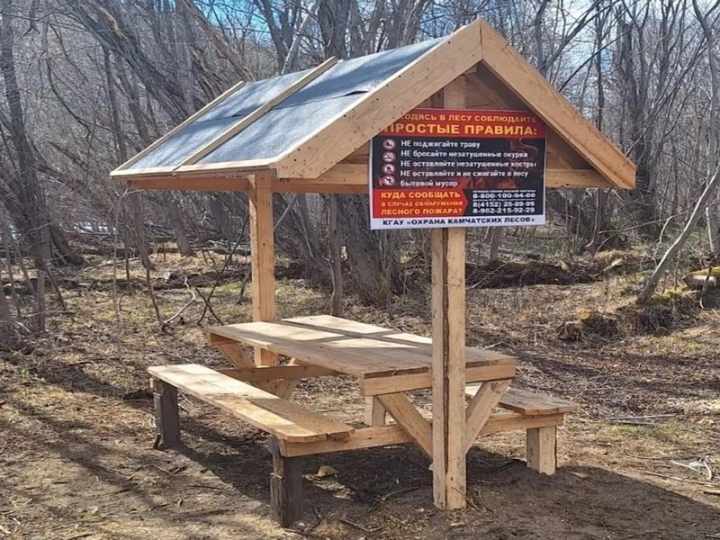
In a strategic move to further enhance its appeal as a global eco-tourism destination, Russia’s remote and breathtaking Kamchatka Peninsula is actively expanding its infrastructure for wilderness visitors. The Kamchatka Forestry Protection Agency (KGAU ‘Okhrana Kamchatskikh Lesov’), operating under the regional Ministry of Forestry and Hunting, has announced the completion of two new, specially designated rest areas, with plans for more, aimed at ensuring safe and enjoyable experiences for both local residents and international guests venturing into the region’s pristine landscapes.
One of these newly inaugurated sites is strategically located along the scenic Bystraya River, approximately 12 kilometers from the village of Anavgai. These facilities are meticulously designed to blend convenience with crucial environmental considerations. Each area is equipped with durable tables and benches, alongside dedicated, fire-safe zones for campfires and clearly marked waste disposal points. This thoughtful infrastructure aims to minimize human impact on the pristine volcanic landscapes and dense forests that define Kamchatka’s unique ecology.
Safety and responsible tourism are paramount to the initiative. According to officials from the regional Ministry of Forestry and Hunting, each recreational zone is prominently marked with fire safety signage, providing essential guidelines and contact information for the forest protection services. Comprehensive information stands educate visitors on local regulations and emergency procedures, underscoring a commitment to preserving Kamchatka’s natural heritage against the backdrop of increasing visitor numbers.
This expansion is part of a broader development strategy, with five additional rest areas slated for completion in 2026 within the Elizovo and Bystrinsky forestries. Such investments highlight Kamchatka’s drive to not only accommodate a growing influx of nature enthusiasts but also to promote sustainable tourism practices. By providing controlled and well-equipped areas, authorities aim to channel recreational activities, thereby safeguarding the fragile ecosystems that draw adventurers and researchers from across the globe to this remarkable corner of Russia’s Far East.