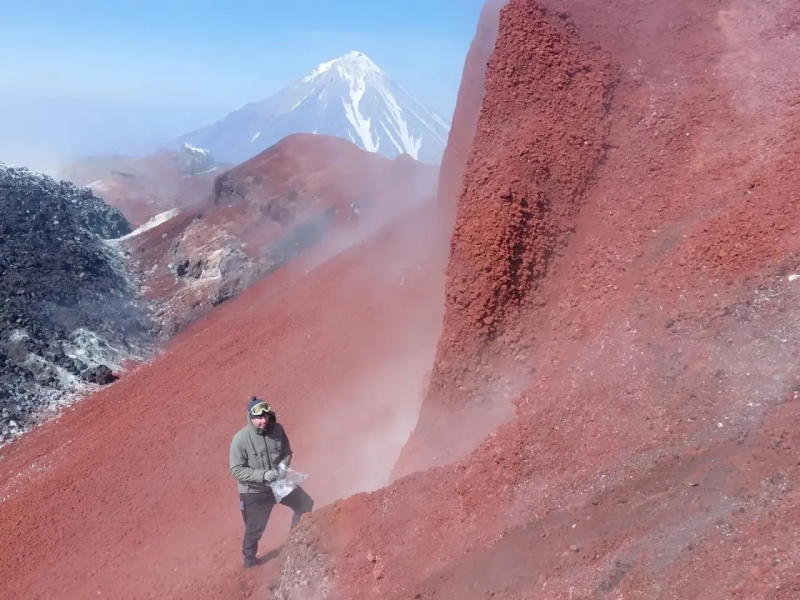
Volcanic emissions from the Kamchatka Peninsula actively shape the coastal marine ecosystems of the Pacific Ocean. During winter months, products of volcanic activity accumulate within the regional snow cover. As spring temperatures rise, these materials are transported by meltwater directly into river networks and subsequently into the ocean.
A total of 16 environmental expeditions have been conducted since 2023 to monitor these dynamics, with the most recent completed in September 2026. Field data reveals that the influence of this mineral-rich river runoff extends more than 150 kilometers from the shoreline and reaches oceanic depths of up to 500 meters.
The influx of nitrogen, phosphorus, and silicon fundamentally supports the productivity of the marine environment. However, during periods of extreme heat, an overabundance of nitrogen can trigger harmful algal blooms – commonly referred to as red tides. Integrating data on snow reserves with summer temperature forecasts enables precise risk assessments for these events, which remain critical for the stability of local commercial fishing and mariculture industries.