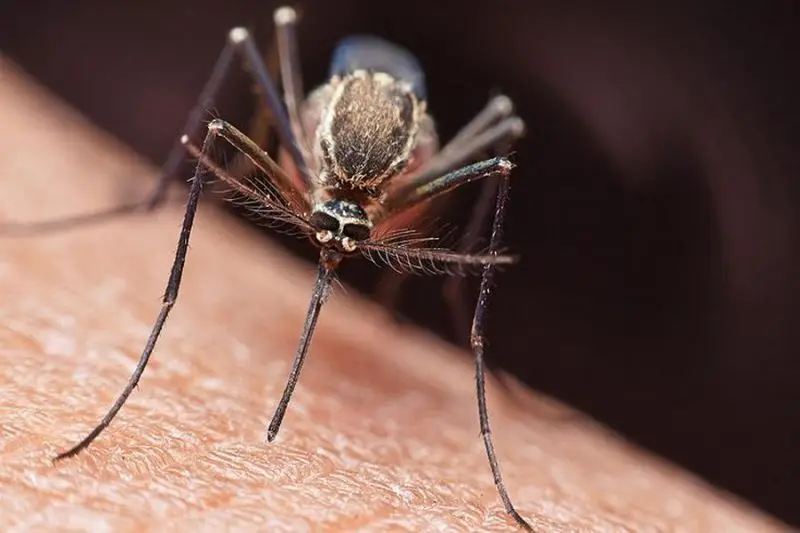
Scientists from the Federal Scientific Center of the East Asia Terrestrial Biodiversity and the Far Eastern Federal University have discovered the marine midge Thalassosmittia marina on the coast of the Kamchatka Peninsula. This species was originally described in 1928 based on specimens from Canada and had not been recorded anywhere else since.
Previous research on this chironomid midge relied exclusively on century-old data – a limitation that has now been overcome by the revelation that the insect inhabits both sides of the Pacific Ocean.
The Kamchatka specimens were examined using modern molecular biology techniques. DNA analysis confirmed that the samples from Kamchatka and Canada belong to the same species, although minor morphological differences exist between the populations. The Kamchatka midges are slightly larger in both body and wing length compared to their Canadian counterparts. Additionally, the antennae of the Russian representatives consist of 12 or 13 segments, whereas the Canadian specimens possess exactly 12.
The original 1928 description proved insufficiently informative for modern scientific standards. The application of DNA barcoding has not only confirmed the species identity of the Kamchatka findings but also established a reliable molecular database for future biological research.