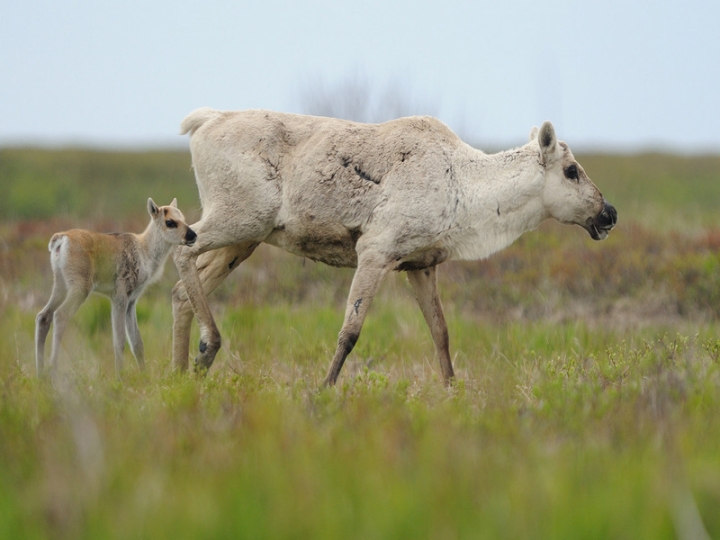
In a significant development for wildlife conservation, the Kronotsky Nature Reserve in Russia’s remote Kamchatka Peninsula has announced the arrival of new wild reindeer calves, bolstering the critically endangered local population. These new additions are a beacon of hope for a species listed in the Red Book of Russia, highlighting ongoing efforts to protect one of the world’s most vulnerable large mammals. The news was reported by Kamchatka.Today, drawing attention to a crucial environmental story.
Once numbering over 20,000 individuals across the vast Kamchatka region, the majestic wild reindeer population has dwindled dramatically. Today, a mere 800 or so remain, primarily confined to the protected boundaries of the Kronotsky Reserve. This precipitous decline underscores the urgent need for robust conservation strategies and makes every new birth a vital step towards recovery for this unique regional subspecies.
New calves typically make their appearance in the Kronotsko-Bogachevskaya tundra during the early days of June. Pregnant females exhibit a remarkable instinct for survival, dispersing across the rugged landscape to find secluded spots for calving. Newborns, weighing between 6 and 7 kilograms, spend their crucial first week virtually motionless on the ground. This innate behavior is a defense mechanism, ensuring their scent remains undetected by predators while their mothers, weakened from childbirth, would be ill-equipped to fend off an attack.
As they grow, the young reindeer gradually transition from an exclusive diet of their mother’s remarkably rich milk – boasting a fat content of 22% – to incorporating plant matter after their first month. They continue to nurse actively for approximately six months, with feeding tapering off thereafter. By the end of their first year, these resilient calves undergo their initial molt and begin to sprout their first ‘spike’ antlers, marking another milestone in their journey to maturity.
Experts at the Kronotsky Nature Reserve express cautious optimism regarding the future of the Kamchatka wild reindeer. According to reserve representatives, “This population holds great potential, primarily because the animals have abundant food resources and vast spaces at their disposal, allowing for growth and expansion. Survival rates are encouraging. While calves born in the same year may vary in size, this is attributed to genetic factors and variations in birth timing. An earlier birth generally allows a calf to strengthen and build up crucial fat reserves and muscle mass before the onset of winter and the trek to mountain pastures. However, birthing too early, when fresh vegetation is scarce, can be disadvantageous, as the mother’s milk production is lower before the lush growth season begins.” These insights highlight the delicate balance of nature and the factors influencing the success of conservation efforts.