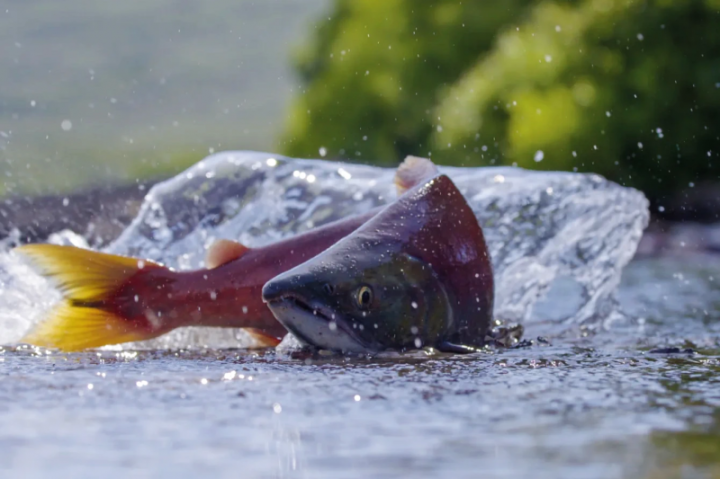
In a robust effort to safeguard one of the planet’s most vital sockeye salmon populations, authorities in Russia’s Kamchatka Peninsula are deploying advanced drone technology to monitor and protect key spawning grounds. This initiative, part of the comprehensive “Ozyornovskaya Sockeye – For Me, For You, For Us” project, underscores the global importance of preserving unique ecosystems and combating illegal wildlife trade.
The project, spanning the South Kamchatka Federal Sanctuary, adjacent natural complexes, and the local settlements of Ozyornovsky and Zaporozhye, adopts a multi-faceted approach. It focuses on strengthening protection measures for critical sockeye habitats, providing additional training for state inspectors, and enhancing the environmental literacy of local communities. This holistic strategy reflects a growing international understanding that effective conservation requires both enforcement and community engagement.
Anticipating the crucial summer spawning season, which represents a period of heightened vulnerability for salmon populations, intensified surveillance measures are being implemented. “Preparations are underway for the summer sockeye spawning season. For the protection service, this is a period of increased threats of harm to salmonids, and therefore a period of heightened security,” stated Vsevolod Yakovlev, Director of the Kronotsky Reserve. This proactive stance is crucial in mitigating the impact of illegal fishing, a challenge that extends beyond local borders and affects global marine biodiversity.
To effectively counter these threats, new equipment is being acquired and existing resources are being prepared for extensive patrolling across the sanctuary. Operational groups are also being reinforced. Crucially, state inspectors are employing unmanned aerial vehicles (UAVs) to survey the banks of the Ozyornaya River and patrol the vast basin of Kurile Lake. The use of drones allows for efficient monitoring of large, often inaccessible areas, providing a modern and effective deterrent against poachers.
This deployment of cutting-edge technology, combined with enhanced human resources and community outreach, highlights Russia’s commitment to conservation stewardship in a region globally renowned for its pristine wilderness and rich biodiversity. Such efforts in Kamchatka contribute significantly to the broader international endeavor of protecting endangered species and ensuring sustainable natural resource management for future generations.