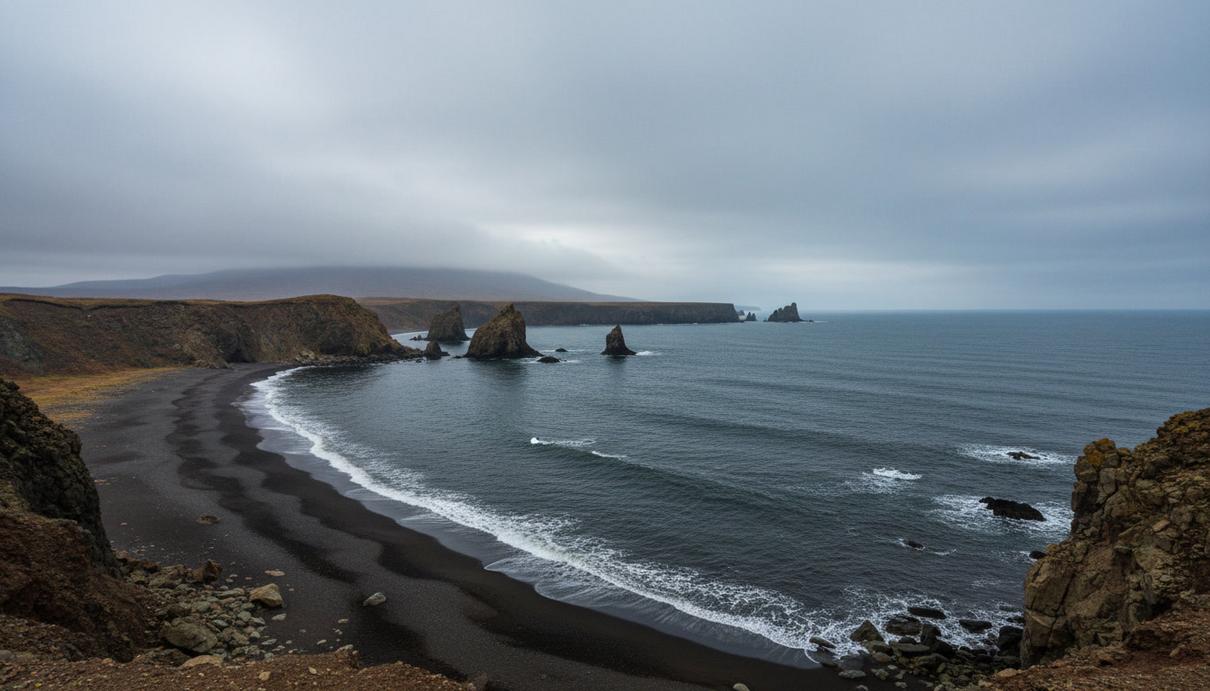
Specialists from the Kamchatka branch of the Russian Federal Research Institute of Fisheries and Oceanography have recorded the presence of Karenia microalgae in Avacha Bay for the first time during scientific observations. This specific phytoplankton species provoked the mass mortality of benthic fauna off the coast of the peninsula four years ago. The potentially hazardous organisms were identified in the waters of Rakovaya Bay.
A repeat of the ecological crisis is currently ruled out. These microalgae – a natural element of the biosystem in the Far Eastern seas – remain at safe levels. Water analysis revealed a concentration of several thousand cells per liter. This indicator is hundreds of times below the critical threshold required to trigger the release of toxins fatal to marine animals and visually alter the color of the water.
In the autumn of 2020, an anomalous proliferation of these algae led to widespread damage across coastal zones. Extensive wash-ups of dead mussels, sea urchins, octopuses, and other benthic inhabitants occurred along the southeastern and Sea of Okhotsk coasts of Kamchatka. Marine biologists subsequently recorded the large-scale mortality of commercial whelk populations in the Sea of Okhotsk.
Current hydrological conditions do not favor the development of a harmful algal bloom. The approaching autumn decrease in coastal water temperatures and active storm mixing will naturally suppress the growth of the microorganism population. Scientific organizations – including the Aerocosmos Research Institute – maintain continuous satellite monitoring and conduct regular water sampling to ensure environmental safety along the eastern coast of the peninsula.